
 doris@jshnbuzzer.com
Low-Power Piezo Buzzers and Magnetic Buzzers Compared
 Jul 29, 2026|
 View:454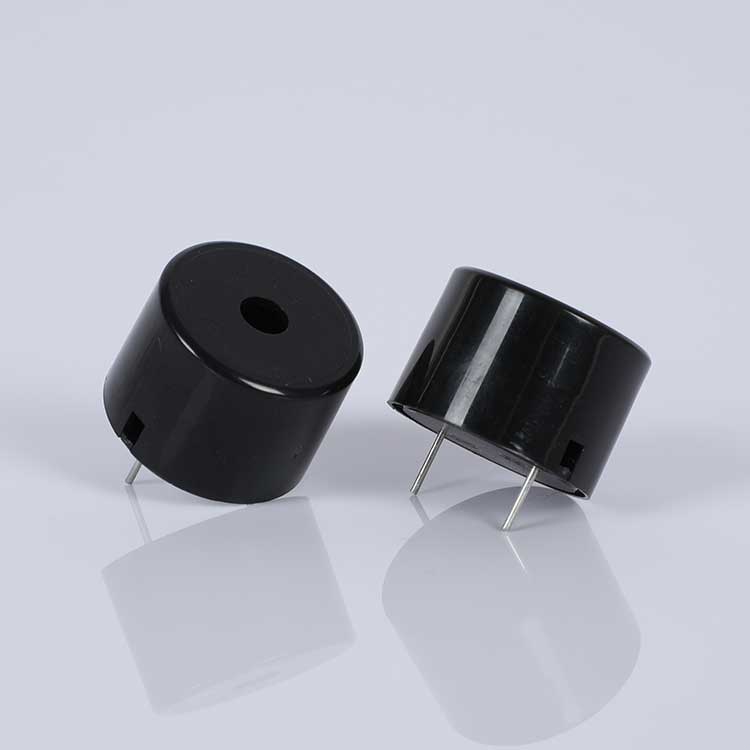
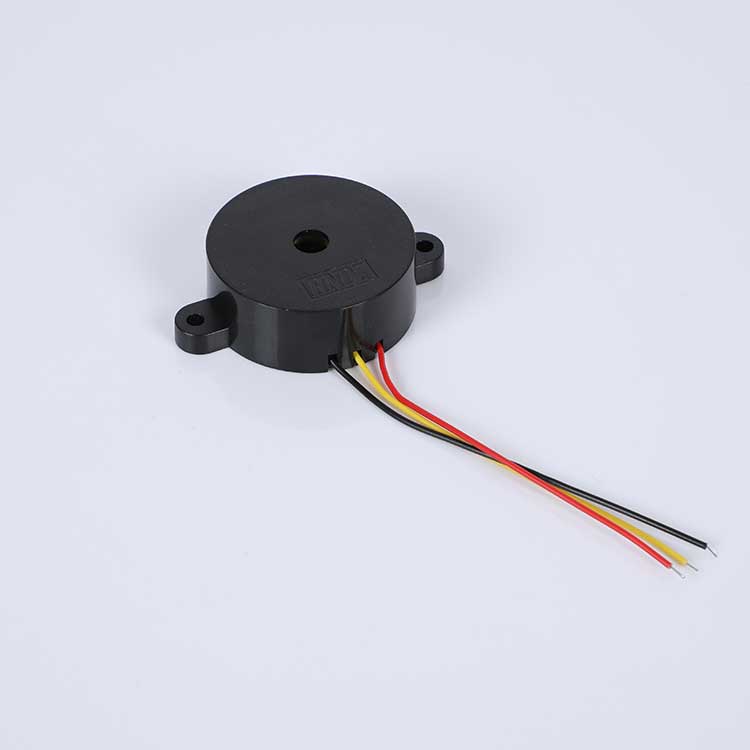
For low-power applications, the Low-Power Piezo Buzzer stands out as the most efficient choice. As a battery-operated acoustic indicator, piezo buzzers use significantly less current than magnetic buzzers and can operate reliably across a wider voltage range.
Type of Buzzer | Avg. Current Draw | Voltage Range | Sound Output (SPL) |
|---|---|---|---|
Piezo Buzzers | <10 mA (Ultra-low SMD: 1-3 mA) | 3V–48V DC (AC up to 220V) | 75–110 dB |
Magnetic Buzzers | 20–100 mA | 1.5V–24V DC | 70–95 dB |
Choosing the right buzzers for battery-powered devices matters. Efficient operation at low voltage helps batteries last longer. Good sound output with low power keeps devices practical and user-friendly.
Key Takeaways
SMD piezo buzzers offer superior efficiency for low-power applications, using less current and operating over a wider voltage range.
Magnetic buzzers are suitable for battery-powered devices but consume more power, which can shorten battery life.
Choose piezo buzzers for applications needing high sound output and durability, especially in harsh environments.
Consider the specific sound requirements and voltage supply when selecting between piezo and magnetic buzzers for your project.
Both buzzer types have unique strengths; understanding their differences helps in making informed design choices.
Piezo Buzzers
How Piezo Buzzers Work
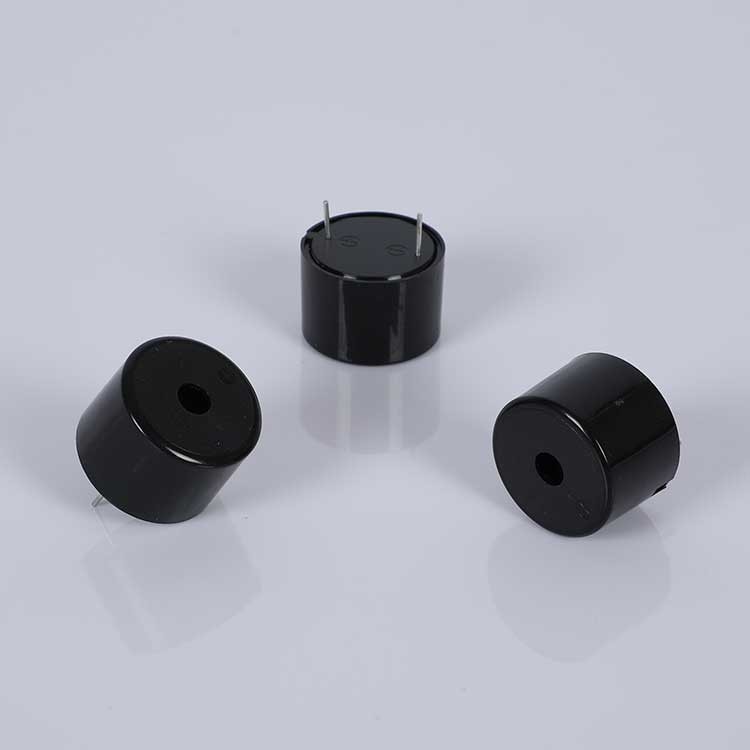
Piezo buzzers use the piezoelectric effect to create sound. This principle allows certain materials to generate an electric charge when they experience mechanical stress. In piezo buzzers, a ceramic disc acts as the core component. When an alternating voltage is applied, the disc vibrates rapidly. These vibrations convert electrical energy into mechanical movement, producing sound waves. The disc expands and contracts, which pushes air and creates audible tones. This process is highly energy-efficient, making piezo buzzers ideal for modern electronic devices.
The piezoelectric effect enables sound generation.
A ceramic disc vibrates when voltage is applied.
The disc’s movement produces sound waves.
Power and Voltage Range
Piezo buzzers stand out for their wide voltage range and ultra-low current consumption. Jiangsu HUAWHA Electronics Co., Ltd. manufactures piezo buzzers that operate from 3V to 48V DC (with specialized AC alarms available up to 220V). Standard models require less than 30mA of current, while our ultra-low power SMD models consume as little as 1mA to 3mA, drastically extending battery life in portable IoT devices. The design features electrical contacts on both faces of the piezoelectric disk, supported at the edges inside a protective enclosure. This construction ensures durability and consistent performance.
Specification | Value |
|---|---|
Operating Voltage Range | 3V to 48V DC (AC up to 220V) |
Current Consumption | Standard <30mA / Ultra-low SMD 1-3mA |
Frequency Range | 2kHz - 4kHz |
Sound Output and Frequency
Piezo buzzers deliver strong sound output and operate at higher frequencies. The sound pressure level ranges from 85 to 110 dB for standard models, which is suitable for alarms, medical devices, and home electronics. For highly compact products, Jiangsu HUAWHA’s micro SMD piezo buzzers (sizes from 4 mm to 9 mm) deliver 75 to 90 dB, making them easy to integrate into space-constrained wearables. Their reliability across temperature extremes and voltage fluctuations makes them a top choice for harsh environments.
Magnetic Buzzers
How Magnetic Buzzers Work
Magnetic buzzers use the electromagnetic principle to create sound. A coil of wire inside the buzzer generates a magnetic field when electric current passes through it. This field attracts and releases a thin ferromagnetic disk, causing it to vibrate rapidly. The vibration of the disk produces audible sound waves. Unlike piezo buzzers, which rely on the deformation of a ceramic material, magnetic buzzers depend on the interaction between the coil and the metal disk.
Principle | Magnetic Buzzers | Piezoelectric Buzzers |
|---|---|---|
Mechanism | Uses a coil to create a magnetic field that vibrates a disk | Uses piezoelectric effect to deform material |
Sound Production | Vibration of a ferromagnetic disk | Deformation of piezoelectric material |
Voltage Requirement | Operates at lower voltages (e.g., 1.5V to 24V DC) | Wide range (3V to 48V DC, AC up to 220V) |
Sound Pressure | Can emit over 85dB at low voltage | Can reach over 110dB with sufficient voltage |
Power and Voltage Needs
Magnetic buzzers are designed for efficiency in battery-powered devices. They operate within a voltage range of 1.5V to 24V DC, which matches common battery outputs. Current consumption typically falls between 20mA and 100mA. This makes magnetic buzzers suitable for portable electronics that require reliable sound alerts without excessive drain on the battery.
Parameter | Value |
|---|---|
Operating Voltage | 1.5V to 24V DC |
Current Consumption | 20mA to 100mA |
Magnetic buzzers function effectively within standard battery voltage ranges.
Their design helps extend battery life in portable products compared to older acoustic components.
The operational voltage range supports use in many battery-powered applications.
Sound and Frequency Response
Magnetic buzzers produce sound by vibrating a metal disk. They excel at generating lower frequency tones and can deliver a mellow or softer sound compared to piezo buzzers. The typical frequency range for magnetic buzzers is 500Hz to 4kHz, with sound pressure levels from 70 to 95 dB. This broad frequency response allows magnetic buzzers to create variable tones, making them popular in automotive and consumer settings.
Frequency Range | Typical SPL |
|---|---|
500Hz-4kHz | 70-95 dB |
Magnetic buzzers are often chosen for applications that need lower frequency or variable tones.
Common uses include automotive dashboards, consumer gadgets, and devices that require a softer sound profile.
Technical Specs Comparison
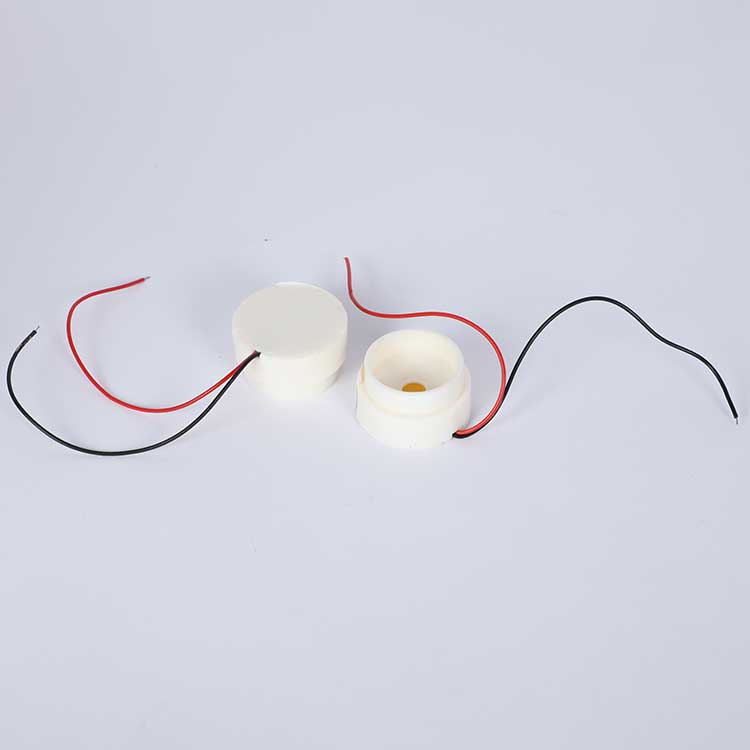
A side-by-side comparison of technical specifications helps clarify the strengths of each buzzer type. The following analysis covers operating voltage, current consumption, sound pressure level, frequency range, and size and durability.
Operating Voltage
Buzzer Type | Typical Operating Voltage Range |
|---|---|
Piezo Buzzers | 3V to 48V DC (AC up to 220V) |
Magnetic Buzzers | 1.5V to 24V DC |
The operating voltage of buzzers varies by type. Electromagnetic buzzers typically operate between 1.5V and 24V DC. Piezoelectric buzzers can function from 3V up to 48V DC, with specialized AC alarms handling up to 220V.
A wider voltage range allows piezo buzzers to integrate easily into devices with different power supplies, benefiting designers who need to match components with available battery or circuit voltages.
Current Consumption
Buzzer Type | Current Consumption (mA) | Impact on Battery Life |
|---|---|---|
Piezo Buzzer | <10 (Ultra-low SMD: 1-3) | Longer operational life on the same battery |
Magnetic Buzzer | 20 to 100 | Shorter operational life on the same battery |
Piezo buzzers use significantly less current than magnetic buzzers. For portable electronics and IoT sensors, an ultra-low current consumption of 1-3mA is a major advantage, allowing devices to run for years on coin-cell batteries.
Sound Pressure Level
Buzzer Type | SPL Range (dB) |
|---|---|
85 to 110 dB (Standard) / 75 to 90 dB (Micro SMD) | |
Magnetic Buzzers | 70 to 95 dB |
Sound pressure level (SPL) measures the impact of sound waves produced by the buzzer, typically assessed from 10cm. Piezo buzzers produce higher SPL values, making them ideal for safety alarms. In critical medical devices or emergency alarms, buzzers are designed to produce sound pressure levels between 85 dB and 110 dB to effectively cut through ambient noise.
Frequency Range
Buzzer Type | Frequency Range |
|---|---|
Piezo Buzzers | 2kHz – 4kHz |
Magnetic Buzzers | 500Hz – 4kHz |
Piezo buzzers operate at higher frequencies, which helps them produce a sharp, attention-grabbing sound. Magnetic buzzers cover a broader range, including lower frequencies, which results in a softer tone.
Size and Durability
Feature | Piezo Buzzers | Magnetic Buzzers |
|---|---|---|
Size | Generally smaller and more compact (SMD available) | Typically larger due to mechanical parts |
Durability | Highly durable, withstands shocks | Less durable, vulnerable to mechanical failure |
Environmental Resistance | Excellent, solid-state construction | Poor, susceptible to moisture and dust |
Piezo buzzers are designed to excel in harsh environments due to their solid-state construction, which minimizes wear and environmental degradation. This makes them a reliable choice for demanding outdoor and industrial applications.
Tip: For low-power, battery-operated devices that require reliable alerts and long service life, piezo buzzers offer clear advantages in efficiency, sound output, and durability.
Pros and Cons for Low-Power Use
Piezo Buzzers—Strengths & Weaknesses
Piezo buzzers have become a popular choice for energy-efficient audio alerts. Their compact size allows easy integration into small devices. Designers often select piezo buzzers for their versatility and durability. They can operate across a wide voltage range and withstand harsh environments.
Strengths | Weaknesses |
|---|---|
Compact Size & Low Profile | Requires higher voltage for max SPL |
Ultra-Low Power Consumption | Limited low-frequency response |
Wide Voltage Versatility | Sound can be harsh/piercing |
Solid-State Durability |
Magnetic Buzzers—Strengths & Weaknesses
Magnetic buzzers also serve many applications. They are known for their reliable performance and ability to produce a softer audible sound output. However, their power efficiency may not match that of piezo buzzers, especially in continuous-use scenarios.
Strengths | Weaknesses |
|---|---|
Low Voltage Operation (1.5V+) | Higher Current Draw |
Softer, Variable Tone Output | Vulnerable to harsh environments |
Good Low-Frequency Response | Shorter Lifespan in extreme conditions |
Low-Power Piezo Buzzer Applications
Battery Devices & Wearables
Low-power piezo buzzer applications have become essential in battery-powered devices and wearables. The compact size of the low-power piezo buzzer allows it to fit into slim and lightweight designs.
Device Type | Application Description |
|---|---|
Medical Wearables | Devices like insulin pumps use low-power piezo buzzers for critical alerts, ensuring reliability. |
Fitness Trackers | Modern wearables utilize sound for notifications, with SMD buzzers fitting seamlessly into slim designs. |
IoT Sensors | Battery-powered smart home sensors incorporate piezo buzzers for local alerts without draining battery life. |
Medical & Industrial Uses
The low-power piezo buzzer is widely used in medical and industrial applications. Medical devices, such as blood glucose meters and clinical thermometers, rely on the low-power piezo buzzer for dependable alerts. For these life-critical applications, HUAWHA’s ISO13485-certified manufacturing process ensures that our components meet the stringent traceability and reliability standards required for medical-grade electronics. Industrial equipment also benefits from its durability and ability to function in harsh conditions.
Alarms & Home Electronics
Alarms and home electronics often require a strong and clear alert signal. The low-power piezo buzzer delivers high sound pressure levels, making it ideal for alarm systems, smoke detectors, smart home appliances, and IoT devices. Jiangsu HUAWHA’s buzzers are found in a wide range of products, including automotive controls and security systems.
Piezo buzzers are generally the best choice for low-power applications due to their efficiency, wide voltage range, and strong sound output. Magnetic buzzers offer value in specific cases but use more current.
FAQ
What makes piezo buzzers ideal for battery-powered devices?
Piezo buzzers use less current and operate at a wide voltage range. This efficiency helps batteries last longer. Their compact size fits small devices like wearables and medical equipment.
Can magnetic buzzers produce louder sounds than piezo buzzers?
Piezo buzzers usually produce higher sound pressure levels. Magnetic buzzers can reach 95 dB, but piezo buzzers often exceed 100 dB. This makes piezo buzzers better for alarms and alerts.
Are piezo buzzers more durable than magnetic buzzers?
Piezo buzzers have solid-state construction. They resist shocks and moisture. Magnetic buzzers contain moving parts, which can fail in harsh environments.
How do I choose the right buzzer for my project?
Consideration | Piezo Buzzer | Magnetic Buzzer |
|---|---|---|
Power Efficiency | High (1-3mA available) | Moderate |
Sound Output | Loud, sharp | Softer, variable |
Durability | Excellent | Good |
Select based on power needs, sound requirements, and environmental conditions.