

 doris@jshnbuzzer.com
What Is a Piezo Buzzer Used For? A Complete Guide
 Dec 26, 2025|
 View:2530
Ever wondered what makes your alarm clock buzz in the morning, your microwave beep when your food is ready, or your car alert you when you forget to fasten your seatbelt? The hero behind these everyday sounds is often a small but mighty device known as the piezo buzzer.
This little component plays a huge role in electronics, signaling systems, and warning devices across countless industries. But what exactly does a piezo buzzer do, and why is it so widely used?
In this complete guide, we'll break down everything you need to know—from how a piezo buzzer works to the many applications where it plays a starring role.
What Is a Piezo Buzzer?
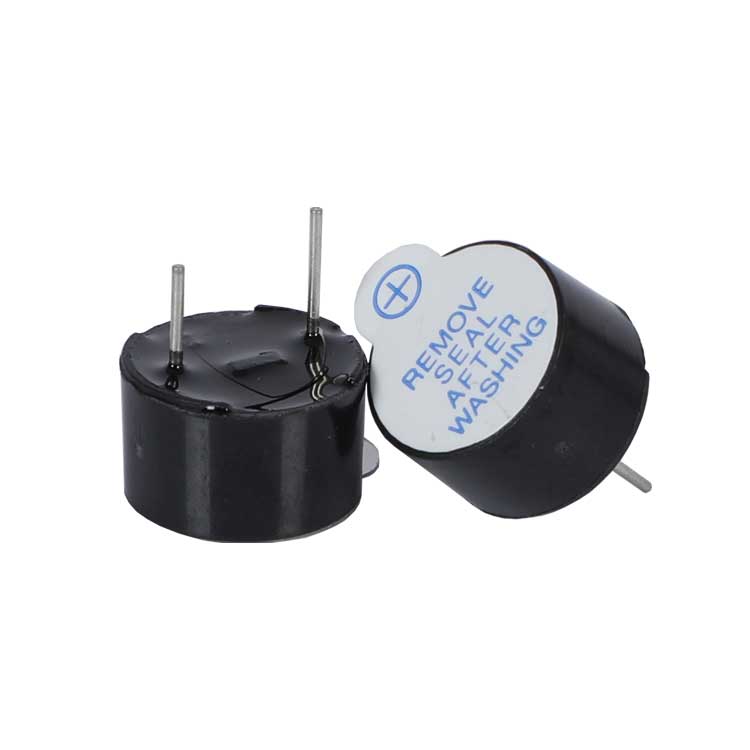
A piezo buzzer is a compact electronic device that uses the piezoelectric effect to produce sound. Piezoelectric materials, such as certain ceramics, generate mechanical movement when an electrical voltage is applied to them. When this material vibrates rapidly, it creates sound waves—this is the “buzz” you hear.
Think of a piezo buzzer as a tiny speaker, except instead of using a coil and magnet, it uses a piezoelectric diaphragm to generate sound.
How Does a Piezo Buzzer Work?
The working principle of a piezo buzzer is surprisingly simple yet incredibly effective:
Electrical voltage is applied to the piezoelectric material.
The material expands and contracts rapidly.
These rapid movements generate vibrations.
The vibrations create sound waves that you hear as a beep or buzz.
Because piezoelectric materials react very quickly, piezo buzzers can generate a wide range of frequencies—from low warning tones to high-pitched alerts.
Why Are Piezo Buzzers So Popular?
Before getting into specific uses, let’s answer another important question: Why is the piezo buzzer so widely used across industries?
Here are the top reasons:
1. Extremely Low Power Consumption
Piezo buzzers consume very little energy, making them ideal for battery-powered devices.
2. Compact and Lightweight
Their small size allows them to be integrated into compact lifestyle gadgets and portable electronics.
3. Loud, Clear Sound Output
Despite their size, they can generate surprisingly high sound levels.
4. Affordable and Reliable
They’re inexpensive to manufacture and highly durable, making them perfect for mass-produced consumer products.
5. Wide Frequency Range
They can produce everything from soft tones to loud alarms.
With those advantages in mind, let’s look at where a piezo buzzer is commonly used.
What Is a Piezo Buzzer Used For?
Piezo buzzers are found everywhere—homes, hospitals, cars, factories, and even toys. Here are the most common applications.
1. Consumer Electronics
Alarm Clocks
When your alarm clock blasts that familiar buzzing sound to wake you up, there's a good chance it’s using a piezo buzzer.
Microwaves
Ever heard the “beep-beep” when your popcorn is ready? That’s the piezo buzzer signaling the end of the heating cycle.
Washing Machines
Many washing machines use piezo buzzers to alert you when a cycle finishes or when there's an error.
Keyboards and Devices
Soft “click” sounds in digital keyboards or touch panels often come from a small piezo buzzer.
Consumer electronics heavily rely on these buzzers for sound notifications without increasing power consumption.
2. Automotive Applications
If there’s one place where a piezo buzzer shines, it's in the automotive industry.
Seat Belt Warning Systems
That persistent beeping when you forget to buckle up? Yep, that’s a piezo buzzer reminding you to stay safe.
Reverse Sensors
Backup alarms in cars, especially in SUVs and trucks, use piezo buzzers to warn drivers of obstacles.
Door-Open Alerts
Leave your car door open? The buzzer instantly notifies you.
Dashboard Warning Signals
From engine errors to low fuel reminders, piezo buzzers give audible feedback to drivers.
Their loud and crisp output makes them perfect for noisy environments like roads and parking lots.
3. Industrial Equipment
Industrial safety relies heavily on audible alerts, and the piezo buzzer plays a key role here.
Machine Fault Alarms
When a machine malfunctions, a buzzer alerts workers immediately to prevent damage or injury.
Temperature and Pressure Alerts
Many industrial sensors use piezo buzzers to indicate unsafe operating conditions.
Production Line Notifications
Beeping signals notify workers when it’s time to load or unload materials.
Test and Diagnostic Equipment
Piezo buzzers are used to confirm tests, indicate failures, or signal errors.
Industries use piezo buzzers because they can produce loud sounds without requiring high voltage or complex wiring.
4. Security Systems
Home Alarms
Many anti-theft systems use piezo buzzers as sirens or notification alerts.
Smoke and Fire Alarms
These systems depend on loud, continuous beeping—perfectly suited for piezo technology.
Door Sensors
When someone opens a door unexpectedly, a piezo buzzer can sound an alert.
Motion Detectors
Movements in restricted areas trigger buzzer alerts.
Security systems require loud and reliable buzzing, which is exactly what piezo buzzers deliver.
5. Medical Equipment
In healthcare, accuracy and alerts can be life-saving, and the piezo buzzer is often the sound behind them.
Heart Monitors
Beeping sound patterns help nurses and doctors monitor vital functions.
Infusion Pumps
Audible alarms alert healthcare staff when medication drips slow down or stop.
Digital Thermometers
The familiar "beep" signifies when your temperature reading is complete.
Patient Calling Systems
Buzzers are common in bedside calling devices.
Piezo buzzers work well in medical devices because they're dependable and energy-efficient.
6. Toys and Gadgets
Kids' toys often include fun sound effects, beeping noises, and musical tones—all made possible by piezo buzzers.
They’re widely used in:
Learning toys
Remote-control devices
Interactive play gadgets
Since piezo buzzers are inexpensive and easy to integrate, toy manufacturers use them extensively.
7. Household Appliances
Beyond microwaves and washing machines, piezo buzzers also appear in:
Refrigerators (door-open alarm)
Air conditioners (mode changes)
Water purifiers (filter change reminder)
Induction cooktops (temperature warnings)
Electric kettles (boiling completion alerts)
These appliances rely on buzzers for convenient, easy-to-understand feedback.
8. Computers and Electronics Boards
Motherboards
Many computer motherboards include piezo buzzers for POST (Power-On Self-Test) signals.
UPS Systems
Uninterruptible power supplies beep to warn you about low battery or overloads.
Microcontroller Projects
Hobbyists and engineers love using piezo buzzers, especially with Arduino, ESP32, and Raspberry Pi.
Why? They’re easy to use and don’t require big amplifiers or sound circuits.
9. Emergency Devices
In emergencies, reliable sound output is critical.
Piezo buzzers are used in:
Personal safety alarms
Firefighter equipment
Emergency call buttons
Hazardous environment detectors
Their loud, high-frequency sound cuts through noise, making them ideal for life-saving tools.
10. Timing Devices
Kitchen timers, laboratory timers, sports timers—all rely on piezo buzzers to signal the end of a countdown.
Their clear and sharp tone ensures the user can't miss the alert.
Types of Piezo Buzzers
Not all buzzers are the same. Here are the common types you’ll encounter.
1. Active Piezo Buzzer
An active piezo buzzer has a built-in oscillator. This means:
It produces sound when connected directly to power
No external circuit is needed
It always outputs the same predefined tone
Active piezo buzzers are used in simple alert systems like alarms and timers.
2. Passive Piezo Buzzer
A passive buzzer requires an external signal to generate sound. You can control:
Tone frequency
Volume
Beeping pattern
Engineers prefer passive buzzers for custom sound applications.
Benefits of Using Piezo Buzzers
Why do manufacturers choose the piezo buzzer over other sound devices? Simple—it offers many advantages.
Energy Efficient
Perfect for battery-powered devices.
High Reliability
Long operational life with minimal failure.
Compact Design
Great for miniaturized electronics.
Loud Output
Produces sharp, easily identifiable tones.
Simple Circuitry
Requires fewer components compared to speakers.
Low Cost
Ideal for mass production.
How to Choose the Right Piezo Buzzer
If you're designing a product, here’s what to consider.
1. Sound Level (dB)
Higher dB means louder sound.
2. Operating Voltage
Ensure compatibility with your circuit.
3. Size
Smaller buzzers may produce softer tones.
4. Frequency
Common alarm tones range between 2–4 kHz.
5. Type (Active or Passive)
Choose based on your sound control needs.
6. Mounting Style
Options include:
Through-hole
Surface mount
Panel mount
7. Environmental Resistance
For outdoor or industrial use, look for waterproof or dustproof options.
Future Trends in Piezo Buzzers
Technology is always evolving. Here’s what’s coming next for the humble piezo buzzer:
More compact designs for ultra-thin devices
Higher-decibel buzzers for industrial environments
Energy-harvesting buzzers powered by vibrations or motion
Smart buzzers with programmable tones and IoT integration
The future looks surprisingly exciting for such a tiny component!
Conclusion
The piezo buzzer may be small, but its impact is massive. From waking us up in the morning to keeping us safe in our cars and even supporting life-saving medical care, this tiny device is everywhere.
Its low power consumption, high reliability, compact size, and strong sound output make it a universal favorite among engineers and manufacturers.
So, the next time you hear that familiar "beep" or "buzz," you’ll know exactly what’s making it—and why it’s such an essential part of modern technology.




Recent News
1.What's the Difference Between Piezo Buzzers and Electromagnetic Buzzers?
2023-03-232.Piezo Buzzer - The Power Behind the Sound
2023-03-243.What is the lifespan of smd piezo buzzer?
2023-03-284.How does an electromagnetic buzzer work?
2023-04-185.How loud can a smd piezo buzzer be?
2023-05-046.Is small piezo buzzer active or passive ?
2023-05-187.How to Choose a High-Quality Piezo Buzzer China?
2023-06-158.Small Piezo Buzzer: How to Use and Connect It Correctly
2023-07-13