

 doris@jshnbuzzer.com
Piezo vs Electromagnetic Buzzer: Performance & Selection
 Aug 17, 2026|
 View:344
Piezo vs Electromagnetic Buzzer: Performance Differences and Selection Guide
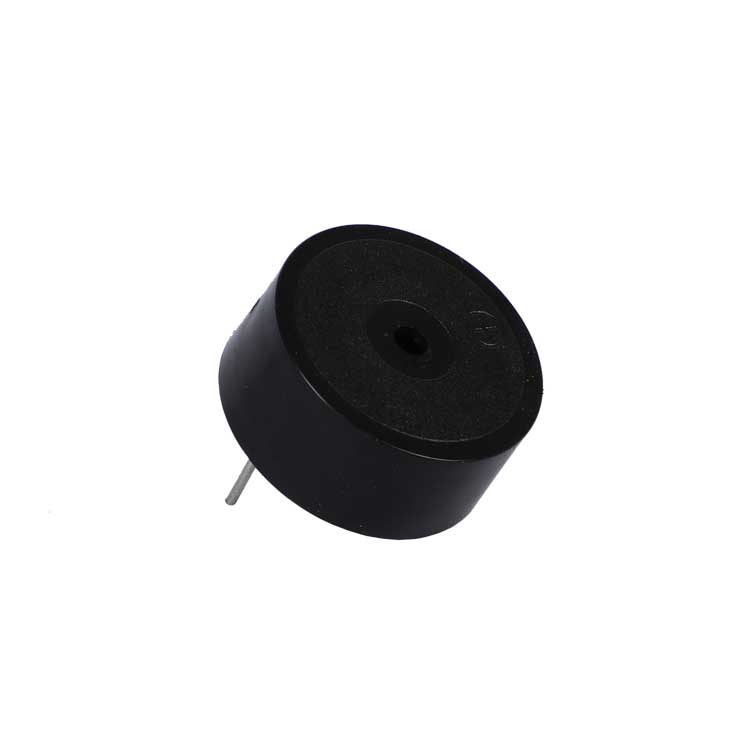
Selecting the wrong acoustic indicator can derail a product's launch. Choose a magnetic buzzer for a battery-operated IoT sensor, and you might drain the coin-cell battery in months. Choose a piezo buzzer for a low-voltage wearable, and the alarm might be too quiet to hear. The choice between Piezo and Electromagnetic buzzers is not just about sound—it’s a critical trade-off involving power budgets, voltage rails, and circuit complexity. This guide breaks down the physics, drive circuits, and real-world selection matrix to help you specify the right component the first time.
Key Takeaways
Piezo buzzers use high voltage and low current to create loud, high-pitched alarm tones.
Electromagnetic buzzers run on low voltage and higher current to make soft, pleasant sounds.
Piezo models save battery power, making them great choices for portable medical devices.
Magnetic buzzers need a simple protection diode to keep circuits safe from voltage spikes.
How to Choose the Correct Buzzer Type
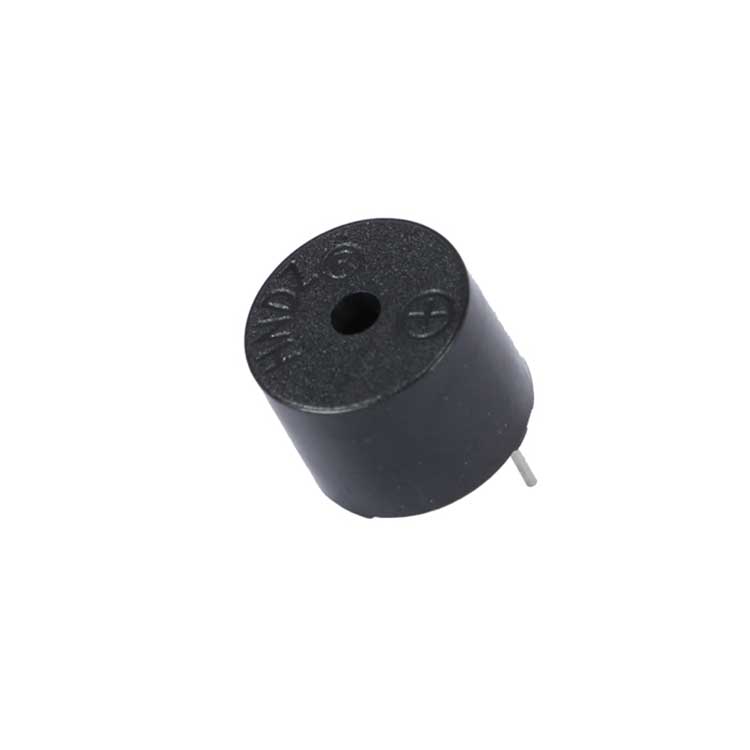
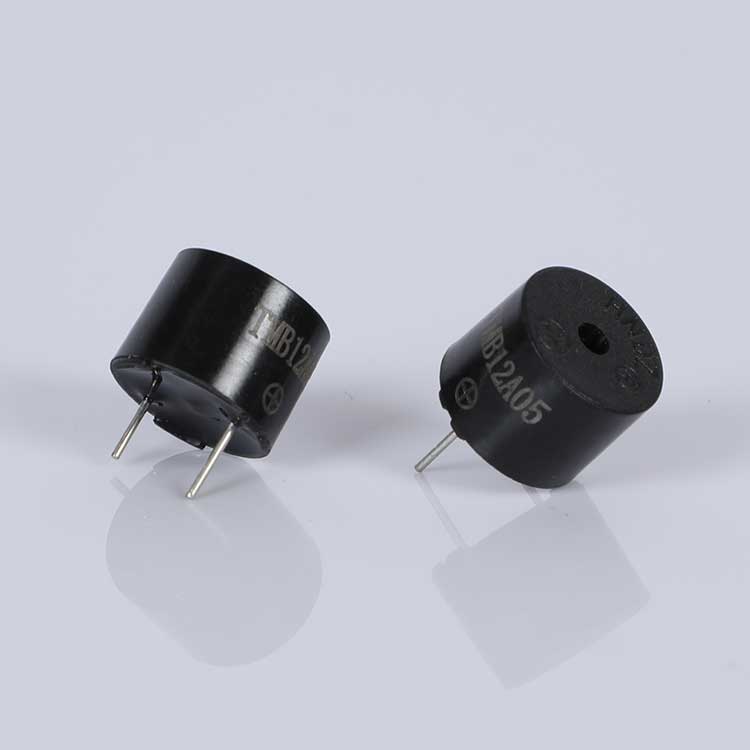
Engineers must evaluate several key specifications when selecting acoustic indicators for circuit designs. System voltage rails, board space constraints, and power budgets dictate whether to choose a magnetic or piezoelectric solution. When evaluating component availability, engineers often look to specialized acoustic manufacturers. For instance, HUAWHA Electronics offers a diversified portfolio that solves these exact trade-offs: their 12VDC 85dB Piezo series targets low-power medical alarms, while their 24VDC 88dB Mini Electromagnetic buzzers provide robust performance for industrial control panels.
Quick Selection Decision Matrix
Rather than just comparing raw numbers, use this matrix to match your project constraints with the optimal technology:
Your Project Constraint | Recommended Technology | Why? |
|---|---|---|
Battery Life > 5 Years (e.g., Smart Meters) | Piezo | Capacitive load draws micro-amps in standby, preserving battery. |
Operating Voltage < 3.3V (e.g., Wearables) | Electromagnetic | Can generate sufficient SPL at 1.5V - 3V without a boost converter. |
Noisy Environment (e.g., Factory Floor) | Piezo | Easily achieves 90-110dB high-frequency tones that cut through background noise. |
Custom Melodies / Voice (e.g., Toys) | Passive Magnetic | Wider usable frequency range allows for complex PWM-driven audio. |
Primary Engineering Trade-Offs
Power supply limitations create critical trade-offs during component selection. Piezo buzzers operate as capacitive, high-impedance loads, drawing low current under 10 mA. A piezo transducer yields a high sound pressure level (up to 120 dB) at higher resonant frequency ranges. However, a piezo element's output falls below rated SPL if driven below 3 V. Designers must often add boost converters or extra drive circuitry to reach higher voltage requirements for maximum acoustic output.
An electromagnetic component functions as a low-resistance inductive load driven by current. It operates at low voltages starting at 1.5 V, allowing direct integration with low-voltage power rails. However, current draw can range from 20 mA to 60 mA during activation. Because it is an inductive load, the internal coil requires a flyback diode across switching transistors to protect driving electronics from inductive voltage spikes (see the Driving Electromagnetic Buzzers section below for circuit details).
Transducer mechanics also impact sound pitch. Electromagnetic designs produce lower-pitched output between 1 kHz and 3 kHz, creating a soft dynamic tone suited for indoor consumer devices. Conversely, piezoelectric ceramic elements deliver clear high-frequency tones between 2 kHz and 6 kHz. These sharp tones easily cut through background noise in industrial environments.



Recent News
1.What is the operating temperature range for electromagnetic buzzers?
2023-06-302.What is the difference between piezo buzzer and electromagnetic buzzer?
2026-02-263.Active vs Passive Piezo Buzzers vs Electromagnetic Buzzers: How to Choose in 2026
2026-01-294.How does an electromagnetic buzzer work?
2023-04-18

Responsible for manu-facturing and R & D buzzer series of products, products mainly SMD buzzer, electromagnetic buzzer, piezoelectric buzzer.


Site Navigation
HomeAbout UsProductsQuality AssuranceNewsContact Us
Product Categories
Smd BuzzerPin BuzzerLead BuzzerElectromagnetic BuzzerPiezo BuzzerActive BuzzerPassive BuzzerAlarm
Contact Us
E-mail: doris@jshnbuzzer.com
Mobile: 0086-13809014205
WhatsApp: +86-13809014205
Add: Chenbao Industry Park, Xinghua City, Taizhou, Jiangsu China