

 doris@jshnbuzzer.com
What Is a Piezo Buzzer: Benefits, How to Use It & How It Works
 Dec 25, 2025|
 View:1045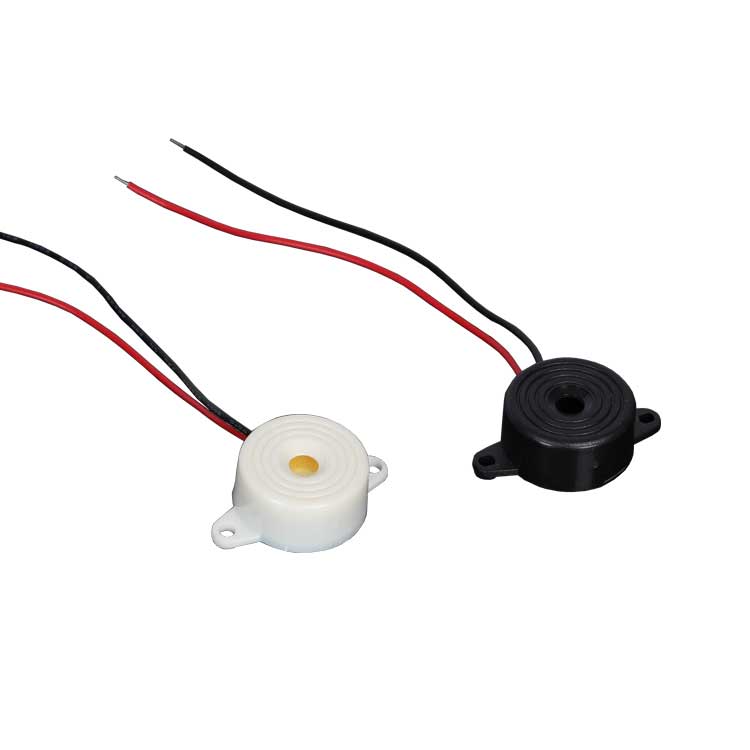
In modern electronics, sound is more than just noise—it is information. From warning alarms and confirmation beeps to musical tones in devices, buzzers play a critical role in how machines communicate with humans. Among the many sound-generating components available today, the piezo buzzer stands out for its efficiency, simplicity, and reliability. Whether you are designing consumer electronics, industrial equipment, or IoT devices, understanding how piezo buzzers work and how to use them effectively is essential.
What Is a Piezo Buzzer?
A piezo buzzer is an electronic sound-producing device that uses the piezoelectric effect to generate audio signals. When an electrical voltage is applied to a piezoelectric material—usually a ceramic disc—it vibrates rapidly, producing sound waves that we hear as a beep, tone, or buzz.
Unlike electromagnetic buzzers, piezo buzzers do not rely on coils or moving mechanical parts. This makes them lightweight, energy-efficient, and extremely durable. Because of these advantages, piezo buzzers are widely used in alarms, timers, household appliances, medical devices, automobiles, and portable electronics.
Understanding the Piezoelectric Effect
What Is the Piezoelectric Effect?
The piezoelectric effect is the ability of certain materials to generate mechanical motion when exposed to an electric field. In a piezo buzzer, this effect is reversed: applying an e lectrical signal causes the material to deform and vibrate, producing sound.
Why Piezoelectric Materials Matter
Piezoelectric ceramics are:
Highly responsive to voltage changes
Capable of high-frequency vibration
Stable over long operating periods
These properties make them ideal for consistent sound generation in electronic circuits.
Main Components of a Piezo Buzzer
A typical piezo buzzer consists of:
A piezoelectric ceramic disc
A metal diaphragm
An enclosure or housing
Electrical terminals
In a small piezo buzzer, these components are miniaturized without sacrificing performance, making them ideal for compact devices.
How Does a Piezo Buzzer Work?
Step-by-Step Working Principle
An alternating voltage is applied to the piezo element
The ceramic material expands and contracts rapidly
These vibrations are transferred to the diaphragm
Sound waves are generated and emitted
The frequency of the applied signal determines the pitch, while the voltage level affects loudness.
Active vs Passive Piezo Buzzers
Active Piezo Buzzer
Has a built-in oscillator
Produces sound when powered
Easy to use in simple circuits
Passive Piezo Buzzer
Requires an external signal
Allows tone and frequency control
Ideal for advanced applications
Both types are widely used depending on design requirements.
Key Benefits of Using a Piezo Buzzer
Low Power Consumption
One of the biggest advantages of a piezo buzzer is its minimal power requirement. This makes it ideal for battery-powered and energy-sensitive devices.
Compact Size and Lightweight Design
A small piezo buzzer can fit into tight spaces without adding bulk, which is crucial for wearables, handheld devices, and embedded systems.
High Reliability and Long Lifespan
With no moving parts, piezo buzzers experience minimal mechanical wear, ensuring long operational life.
Wide Frequency Range
Piezo buzzers can generate a broad range of tones, from simple beeps to complex sound patterns.
Cost-Effective Solution
Their simple construction makes piezo buzzers affordable, even in large-scale production.
Why Small Piezo Buzzers Are in High Demand
The small piezo buzzer has become increasingly popular as devices shrink in size while growing in functionality. From smartwatches to IoT sensors, compact sound solutions are essential.
Advantages of Small Piezo Buzzers
Space-saving design
Lightweight integration
Efficient sound output
Suitable for portable electronics
Despite their size, small piezo buzzers deliver clear and consistent sound performance.
Common Applications of Piezo Buzzers
Consumer Electronics
Used in microwaves, washing machines, remote controls, and alarm clocks to provide user feedback.
Industrial Equipment
Piezo buzzers act as warning indicators in machinery, control panels, and safety systems.
Medical Devices
Medical monitors and diagnostic tools rely on piezo buzzers for alerts and notifications.
Automotive Systems
Used in parking sensors, seatbelt reminders, and dashboard alerts.
IoT and Smart Devices
A small piezo buzzer is perfect for compact IoT devices requiring audible notifications.
How to Use a Piezo Buzzer in Electronic Circuits
Basic Wiring Setup
For an active piezo buzzer:
Connect the positive terminal to the power supply
Connect the negative terminal to ground
Sound is generated instantly when powered.
Using a Passive Piezo Buzzer
Passive buzzers require:
A signal generator or microcontroller
Pulse-width modulation (PWM) for tone control
This setup allows flexible sound patterns and melodies.
Using a Piezo Buzzer with Microcontrollers
Arduino and Microcontroller Integration
Piezo buzzers are commonly used with Arduino, Raspberry Pi, and other microcontrollers.
Typical Use Cases
System alerts
Button feedback
Error notifications
Audio indicators
By adjusting signal frequency and duration, developers can create customized sound outputs.
Voltage and Frequency Considerations
Operating Voltage
Most piezo buzzers operate between 3V and 12V. Always check specifications to avoid damage.
Resonant Frequency
Each piezo buzzer has a resonant frequency where sound output is maximum. Operating near this frequency improves efficiency and loudness.
Piezo Buzzer vs Magnetic Buzzer
Piezo Buzzer Advantages
Lower power consumption
Smaller size
Higher frequency range
Magnetic Buzzer Advantages
Louder sound at low frequencies
Warmer tone
For compact and energy-efficient designs, the piezo buzzer is often the better choice.
Design Tips for Maximum Performance
Use Proper Mounting
Proper mounting enhances sound resonance and prevents vibration loss.
Optimize Signal Frequency
Matching the drive frequency to the resonant frequency boosts sound output.
Consider Enclosure Design
The enclosure shape can significantly impact sound quality and volume.
Common Mistakes to Avoid
Overvoltage application
Ignoring polarity in active buzzers
Poor mounting leading to muffled sound
Driving passive buzzers without proper signals
Avoiding these mistakes ensures reliable operation and longer component life.
Environmental and Durability Considerations
Piezo buzzers are resistant to:
Dust and vibration
Temperature variations
Mechanical shock
This makes them suitable for harsh environments, including industrial and outdoor applications.
Future Trends in Piezo Buzzer Technology
Miniaturization
Demand for small piezo buzzers continues to grow with the rise of wearable and smart devices.
Improved Sound Quality
New materials and designs are enhancing sound clarity and loudness.
Integration with Smart Systems
Piezo buzzers are increasingly integrated into AI-driven and IoT-enabled systems.
How to Choose the Right Piezo Buzzer
Key Selection Criteria
Size and form factor
Sound pressure level (dB)
Operating voltage
Frequency range
Application environment
Choosing the right piezo buzzer ensures optimal performance and user satisfaction.
Maintenance and Longevity
Piezo buzzers require minimal maintenance. Regular inspection and proper voltage control are usually sufficient to maintain performance over time.
Final Thoughts: Why Piezo Buzzers Matter
The piezo buzzer is a small component with a big impact. Its efficiency, durability, and versatility make it indispensable in modern electronics. Whether you are designing industrial systems or compact consumer devices, the small piezo buzzer offers a reliable and cost-effective way to deliver audible feedback.
By understanding how piezo buzzers work, how to use them effectively, and how to choose the right model, you can enhance product functionality, user experience, and overall design quality. As electronic devices continue to evolve, the piezo buzzer will remain a key player in bridging the gap between machines and human interaction.
Recommended Products




Recent News
1.How Do Piezo Buzzers Work?
2025-06-202.How loud can a smd piezo buzzer be?
2023-05-043.How to Choose a High-Quality Piezo Buzzer China?
2023-06-154.Small Piezo Buzzer: How to Use and Connect It Correctly
2023-07-135.What is the difference between piezo buzzer and electromagnetic buzzer?
2026-02-266.What's the Difference Between Piezo Buzzers and Electromagnetic Buzzers?
2023-03-237.What is the lifespan of smd piezo buzzer?
2023-03-28