

 doris@jshnbuzzer.com
Active buzzer or passive buzzer which is best for you
 Jul 13, 2026|
 View:319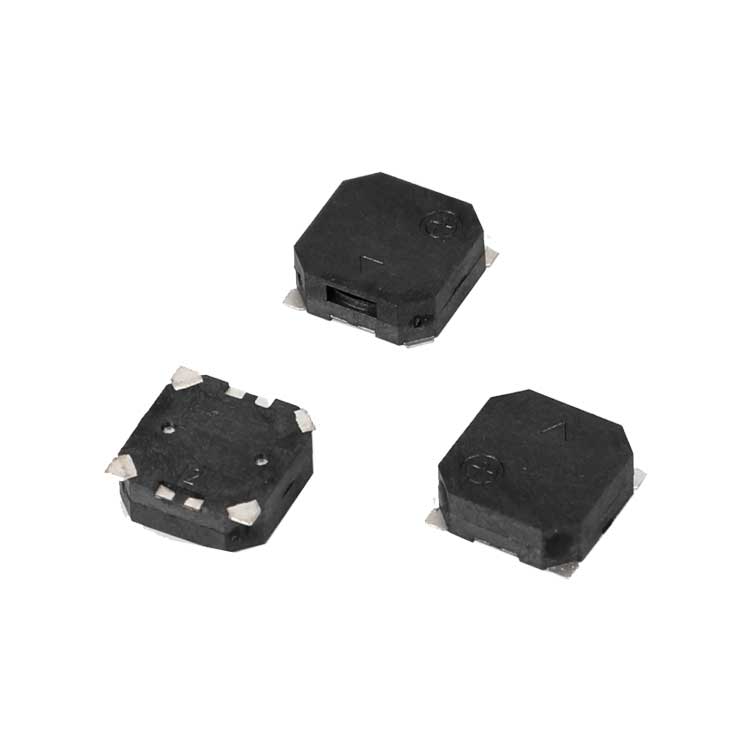
Choosing the best buzzer depends on your project goals and technical skills. Beginners and those seeking a simple sound solution often find the active buzzer ideal, as it only needs a power source to operate. In contrast, a passive buzzer offers more control over sound but requires additional circuitry. Think about the level of customization and ease of use you want before making a decision.
Key Takeaways
For beginners, active buzzers are an ideal choice. They require only a power source to operate, making them easy to use.
Passive buzzers offer more sound control. They need an external signal to produce sound, allowing for varied tones and melodies.
Consider your project needs. Choose an active buzzer for simplicity or a passive buzzer for customization.
Always check voltage and current requirements. This ensures compatibility with your circuit and prevents device failure.
Evaluate the application fit. Different projects may need specific sound levels, tones, and sizes for optimal performance.
Active buzzer vs passive buzzer
Comparison Table
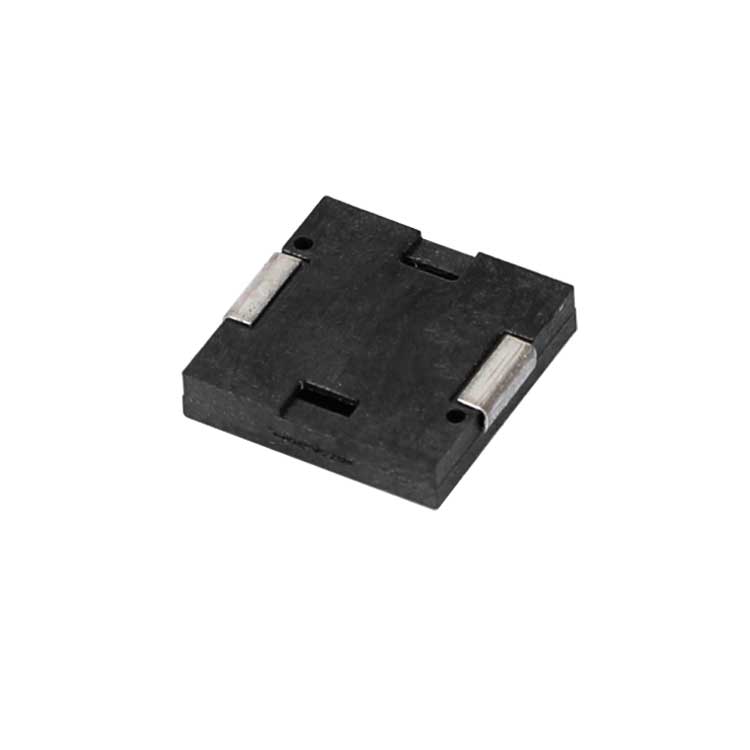
The active buzzer and passive buzzer serve as essential components in many electronic projects. Each type has unique characteristics that influence its suitability for different applications. The following tables highlight the main electrical and functional differences between these two types of buzzers.
Feature | Active Buzzer | Passive Buzzer |
|---|---|---|
Sound Production | Produces sound directly with a battery | Requires an AC voltage signal to produce sound |
Internal Oscillator | Built-in oscillator | No internal oscillator |
Voltage Range | 1.5V to 24V | Depends on input signal |
Sound Frequency | Fixed, around 2kHz ± 300Hz | Varies based on input frequency |
Current Consumption | ≤ 25mA | Around 36mA, low internal coil resistance |
Usage | Simple to use | Can produce multiple tones |
Another important aspect is how each buzzer generates sound and the complexity involved in their operation.
Feature | Passive Buzzers | |
|---|---|---|
Tone Generation | Fixed-frequency tone | Variable tones and melodies |
Internal Oscillator | Yes | No |
Complexity of Use | Plug-and-play | Requires external signal |
Frequency Range | 2 to 4 kHz | Depends on external signal |
Sound Pressure Levels | Higher than magnetic buzzers | Varies, often lower than active |
Voltage and current requirements also differ between the two types.
Buzzer Type | Rated Voltage | Operating Voltage | Rated Current |
|---|---|---|---|
Active Buzzer | 3.3V - 12V | 4V - 8V | ≤30mA |
Passive Buzzer | 3V - 5V | N/A | N/A |
Tip: When selecting a buzzer for your project, always check the voltage and current requirements to ensure compatibility with your circuit.
Key Differences
The key differences between active buzzers and passive buzzers affect how you use them in your projects. An active buzzer is an audio signaling device that contains a built-in oscillator. This feature allows it to produce sound with only a DC power supply. You do not need extra circuitry or programming to make it beep. This simplicity makes the active buzzer a popular choice for beginners and quick prototypes.
A passive buzzer, on the other hand, lacks an internal oscillator. It needs an external AC signal to generate sound. You can control the tone and melody by adjusting the input frequency. This flexibility is useful for projects that require custom sounds or musical notes. However, using a passive buzzer often requires more advanced skills and additional components.
Active buzzers are easier to integrate and require less technical knowledge.
Passive buzzers offer greater control over sound but demand more complex circuitry.
The sound output from an active buzzer is usually louder and more consistent.
Passive buzzers can create a wider range of tones, making them suitable for musical applications.
Both types of buzzers play important roles in electronics. The choice depends on your need for simplicity or customization. Consider the requirements of your project and your experience level before deciding which buzzer to use.
Active buzzer
What is an Active Buzzer
An active buzzer is an electronic sound device that produces a tone when powered. It contains a built-in oscillator, which means it can generate sound without needing an external signal. The piezo buzzer design allows for efficient sound production in a small package. Manufacturers like Jiangsu HUAWHA Electronics Co., Ltd. offer active buzzers with compact sizes ranging from 4 mm to 9 mm. These buzzers are used in many devices because they are easy to integrate and require minimal circuitry.
How It Works
The active buzzer operates by using a piezo buzzer element and an internal oscillator. When a voltage is applied, the oscillator sends a signal to the piezo buzzer, causing it to vibrate and emit a sound. This process does not require complex programming or additional components. The simplicity of the active buzzer makes it ideal for quick alerts and notifications in electronic systems.
Use Cases
Active buzzers from HUAWHA Electronics are found in a wide range of industries and devices. The piezo buzzer is commonly used in security and alarm systems, medical equipment, automotive electronics, and home appliances. The table below shows typical applications:
Industry/Device | Type of Buzzer |
|---|---|
Security & Alarm Systems | Piezo buzzer |
Medical Equipment | Prompt piezo buzzer |
Automotive & E-bike Electronics | Piezo buzzer |
Home Appliances & Smart Control | Piezo buzzer |
Their versatility and compact size allow active buzzers to fit into consumer electronics like microwaves, washing machines, and portable terminals. They also play a role in IoT devices, providing user feedback with low power consumption.
Pros and Cons
Active buzzers offer several advantages:
Simple integration and operation
Reliable sound output
Compact form factor
Wide range of applications
Jiangsu HUAWHA Electronics Co., Ltd. ensures high quality through a rigorous quality assurance process that meets international standards. The table below highlights key certifications:
Certification Name | Applicable Region | Core Category | Core Focus |
|---|---|---|---|
CE Certification | EU and EEA | Safety/EMC/Environmental Protection | Overall product compliance for free circulation in the EU |
FCC Certification | United States | Electromagnetic Compatibility (EMC) | Control wireless frequency and electromagnetic interference |
RoHS Certification | EU / Global | Environmental Protection | Restrict hazardous substances like lead and cadmium |
Note: Active buzzers are designed for reliability. Manufacturers address common concerns such as vibration fatigue, solder joint integrity, and environmental factors to ensure long-term performance.
Passive buzzer
What is a Passive Buzzer
A passive buzzer is a type of electronic sound device that does not have a built-in oscillator. This means it needs an external signal, usually a square wave, to produce sound. The passive buzzer is often used in projects where different tones and melodies are needed. It is popular among hobbyists and engineers who want more control over the sound output.
How It Works
The passive buzzer operates by receiving an alternating voltage from a microcontroller or other circuit. This voltage causes the internal piezo element to vibrate, which creates sound. The frequency of the input signal determines the pitch of the sound. By changing the frequency, users can make the buzzer play different notes or even simple tunes. This flexibility makes the passive buzzer suitable for applications that require varied audio feedback.
Use Cases
Many industries and products use passive buzzers for their ability to create multiple tones. Some common applications include:
Musical toys that play different notes or songs
Alarm systems with distinct alert levels
User interfaces that provide various sound cues for feedback
These devices benefit from the passive buzzer's ability to generate a range of sounds, making them more interactive and informative.
Pros and Cons
The passive buzzer offers both advantages and challenges in electronic design. The following table summarizes the main points:
Advantages | Disadvantages |
|---|---|
Ability to produce multiple tones and melodies | Requires external circuitry for operation |
Greater control over sound output | More complex integration compared to active buzzers |
Useful for musical and multi-alert systems | Potential for inconsistent sound if not driven properly |
Technical challenges can arise when integrating a passive buzzer into a circuit. Common issues include:
Challenge | Description |
|---|---|
Buzzer Not Working | May result from wiring faults or incorrect driver setup |
Weak or Inconsistent Sound | Often caused by undervoltage or incorrect frequency |
No Control Over Sound | Can occur if the PWM signal is missing or misconfigured |
Distorted Sound | May result from unstable supply or driver saturation |
Tip: Always check your circuit connections and signal frequency when working with a passive buzzer to ensure reliable performance.
Choosing a buzzer
Simplicity vs Control
Selecting the right buzzer often starts with a decision between simplicity and control. Some projects need a quick and reliable sound alert. Others require the ability to create different tones or melodies. The following table compares the main features of each type:
Feature | Active Buzzer | Passive Buzzer |
|---|---|---|
Internal Oscillator | Yes | No |
Drive Signal | DC Voltage | AC/PWM Signal |
Tone Control | Fixed Frequency | Variable Frequency |
Ease of Use | High | Moderate |
An active buzzer works with a simple power connection. It produces a fixed sound as soon as it receives voltage. This makes it a good choice for beginners or for projects where time is important. A passive buzzer needs a changing signal, such as a pulse from a microcontroller. This allows for more control over the sound, including the ability to play different notes. However, it also means the circuit design is more complex.
Tip: Choose an active buzzer if you want fast setup and reliable alerts. Choose a passive buzzer if you want to customize the sound for your project.
Cost Factors
When evaluating budget and pricing, remember that the cost of a buzzer can vary based on type, size, and quantity. The table below shows typical cost ranges for bulk purchases:
Buzzer Type | Budget Range (USD) |
|---|---|
Standalone Active | $1.93–$6.90 |
Passive + GPIO | $0.80–$3.50 |
Active buzzers usually cost more because they have a built-in oscillator. Passive buzzers are often less expensive, but they may require extra components for sound control. When planning a large project, consider both the unit price and the cost of any additional parts needed for operation.
Note: For high-volume manufacturing, even small price differences can add up. Always check the total cost, not just the price of the buzzer itself.
Application Fit
The best buzzer for your project depends on where and how it will be used. Several factors should guide your choice:
Factor | Description |
|---|---|
Sound Level | Make sure the volume matches the environment, especially in noisy places. |
Sound Tone | Pick tones that suit the application, such as continuous or intermittent sounds. |
Power Supply | Decide if the buzzer will use batteries or a direct power source. |
Size and Volume | Check the available space to ensure the buzzer fits. |
Environment | Use waterproof or sealed buzzers for harsh conditions. |
Durability | Select strong materials for tough environments. |
Voltage Requirements | Confirm the buzzer matches your system's voltage. |
Maintenance Requirements | Review how often the buzzer needs service to keep it reliable. |
The application fit determines the sound output needed. For example, medical devices may require specific alarm tones and volumes. Home appliances often use simple beeps for user feedback. Alarm systems need loud and clear signals.
Size is important. Small devices need compact buzzers, such as those from Jiangsu HUAWHA Electronics Co., Ltd.
Power consumption matters in battery-powered products. Choose a buzzer that matches your energy needs.
Remember: The right buzzer improves both the function and the user experience of your device.
Project examples
Common Uses
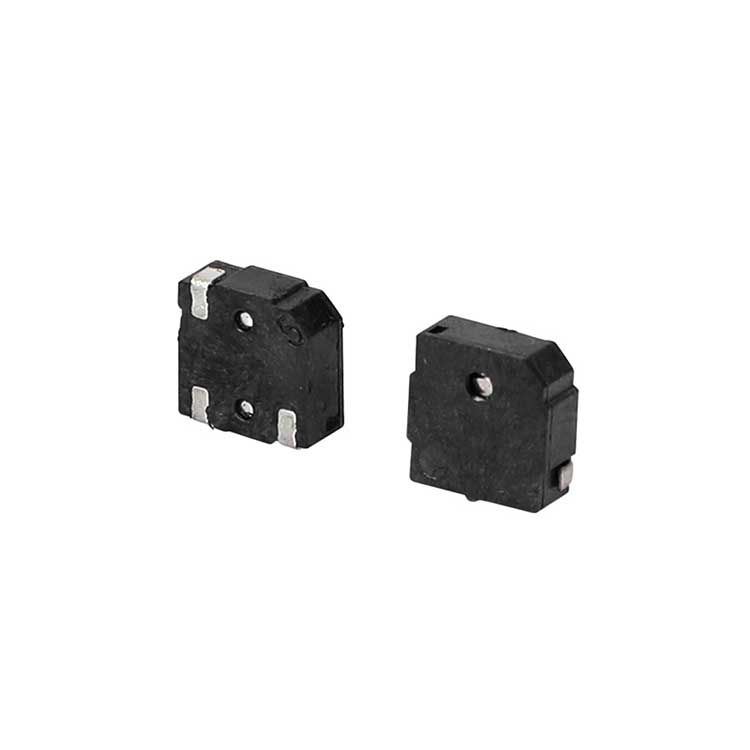
Buzzers play a vital role in many electronic devices. They provide sound alerts and feedback in everyday products. The following table shows how buzzers are used in different applications:
Application | Use Case |
|---|---|
Alarm Systems | Buzzers emit loud sounds to alert occupants of potential threats, improving response times by up to 40%. |
Home Appliances | Provide auditory feedback, signaling when appliances like microwaves are ready, enhancing user experience and safety. |
Medical Devices | Used in monitoring systems to alert healthcare professionals and patients of critical changes in vital signs. |
Portable Electronics | Offer quick sound notifications for low battery, button presses, or system errors. |
Alarm systems rely on buzzers to warn people about emergencies. Home appliances use buzzers to signal when tasks are complete. Medical devices depend on buzzers for patient safety. Portable electronics use buzzers for user feedback and alerts.
Best Buzzer for Each Scenario
Choosing a reliable buzzer depends on the project requirements. The table below compares active and passive buzzers in medical device applications:
Feature | Active Buzzer | Passive Buzzer |
|---|---|---|
Drive signal | DC voltage | AC / PWM square wave |
Circuit complexity | Low | Higher |
Tone control | Single fixed tone | Full frequency range |
Firmware requirement | GPIO only | Timer / PWM peripheral |
Cost | Slightly higher | Generally lower |
Form factor | Standard package | Can be very compact |
EMI sensitivity | Moderate | Lower |
Active buzzers are ideal for simple alerts. They work well in smoke detectors, door sensors, and industrial fault indicators. The HUAWHA Active Buzzer is a reliable choice for these applications due to its compact size and consistent performance.
Passive buzzers suit projects that need multiple tones. Medical monitors often use passive buzzers to signal different conditions.
For portable electronics, follow these best practices:
Match the buzzer specifications to your device's power and sound needs.
Test the buzzer in real-world conditions to confirm sound quality.
Gather user feedback on tone and volume.
Choose a buzzer with the right operating range for temperature and noise.
Tip: Always check the operating voltage and current to avoid power issues. Select low current buzzers for battery-powered devices to extend battery life.
Buzzers improve safety, user experience, and device reliability. The right choice depends on the application and desired sound features.
Selecting the right buzzer depends on your project needs and experience. Active buzzers suit beginners and simple alerts, while passive buzzers fit advanced users seeking custom sounds. Review the table below for key factors:
Specification | Importance |
|---|---|
Power and Voltage Requirements | Prevents device failure |
Sound Output | Ensures clear alerts |
Frequency Range | Matches application needs |
Mounting Options | Supports design integration |
Checklist for choosing:
Supply voltage tolerance
Maximum current draw
Tone variation needs
Acoustic environment
Production volume
Operating temperature range
Regulatory compliance
Consider your skill level and project goals before making a final choice.
FAQ
What is the main difference between an active and a passive buzzer?
Active buzzers have a built-in oscillator. They make sound with just a power supply. Passive buzzers need an external signal to produce sound. This gives more control over the tone.
Can I use an active buzzer with a microcontroller?
Yes. You can connect an active buzzer directly to a microcontroller's output pin. It only needs a simple HIGH or LOW signal to operate.
Which buzzer is better for musical tones?
Passive buzzers work best for musical tones. You can change the input frequency to play different notes or melodies.
Are Jiangsu HUAWHA Active Buzzers safe for global use?
Yes. Jiangsu HUAWHA Active Buzzers are CE marked and RoHS compliant. They meet international safety and environmental standards.
How do I choose the right buzzer for my project?
Decide if you need simple alerts or custom sounds.
Check your circuit's voltage and current.
Consider space and application needs.
Review certifications for safety.
Ready to Get Started?
Whether you need active buzzers for simple alerts or passive buzzers for custom sound designs, contact our engineering team today for expert guidance, competitive pricing, and reliable supply. With over 15 years of buzzer manufacturing experience, Jiangsu HUAWHA Electronics Co., Ltd. is here to support your project from prototype to mass production.