
 doris@jshnbuzzer.com
Piezo Buzzer Manufacturer Guide to Pros and Cons
 Jul 09, 2026|
 View:246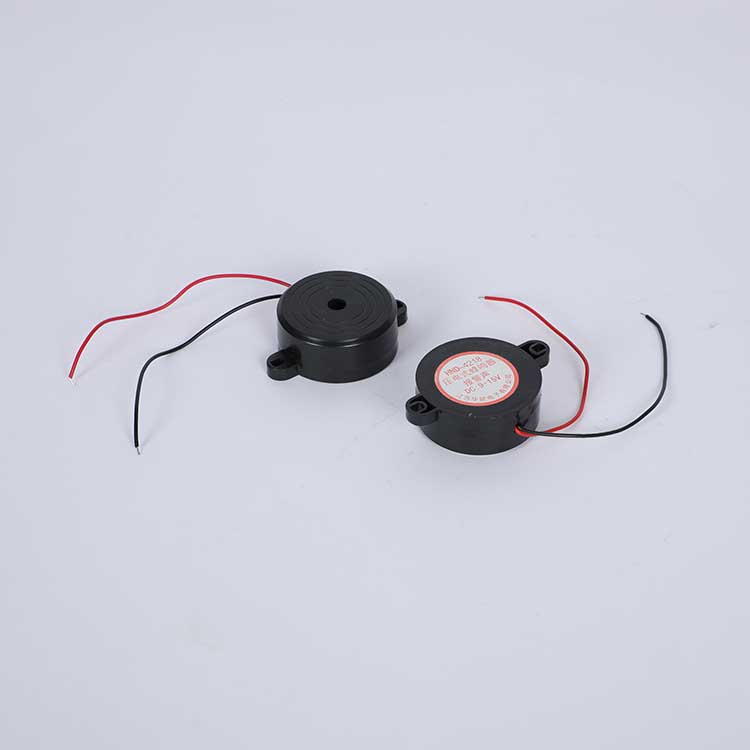
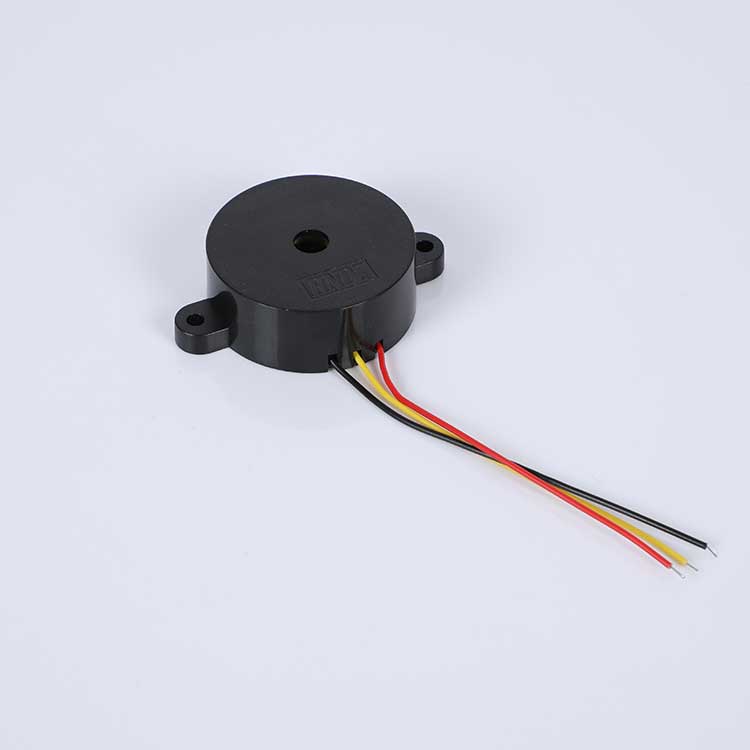
Choosing the right piezo buzzer type can make a significant difference in any electronic device. Each type offers unique strengths and weaknesses, as shown below:
Advantages of Piezoelectric Buzzers | Disadvantages of Piezoelectric Buzzers |
|---|---|
Compact size | Limited frequency range |
Low power consumption | Limited sound pressure level |
High reliability | Poor sound quality for complex audio |
Wide operating temperature range | |
Low electromagnetic interference |
Selecting a suitable buzzer affects both performance and reliability. Factors such as leadwire design and insulation materials play a key role in durability, especially under tough conditions. A trusted piezo buzzer manufacturer like Jiangsu HUAWHA Electronics Co., Ltd. ensures advanced quality and innovation. With over 15 years of manufacturing experience, 50+ technical staff, and serving 600+ cooperative customers across 100+ countries, HUAWHA delivers reliable acoustic solutions for telecommunications, automobiles, home appliances, and instrumentation.
Key Takeaways
Piezo buzzers are compact and use low power, making them ideal for many devices.
Active buzzers are easy to use with a power supply, while passive buzzers offer more sound control.
Surface-mount buzzers save space and are great for portable devices.
Waterproof buzzers are perfect for outdoor use, resisting water and dust.
Choose the right piezo buzzer based on your device's voltage, sound needs, and environment.
Piezo Buzzer Types Overview
Active vs. Passive Piezo Buzzers
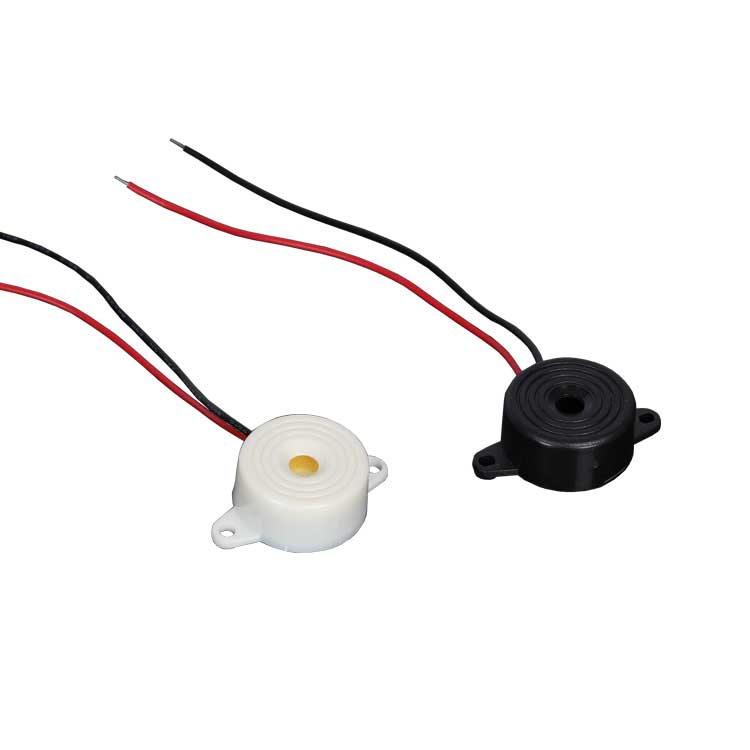
Active buzzers contain a built-in oscillator. They produce sound when powered by a DC voltage, making them simple to use in electronic circuits like alarm systems and medical equipment. They output a fixed-frequency tone, ideal for status indicators.
Tip: Active buzzers require only a power supply, making them easy to integrate into devices.
Passive buzzers lack an internal oscillator and need an external AC signal (like a PWM signal) to generate sound. This allows for variable tones and melodies, useful in toys, watches, and complex alerts where designers want full control over frequency and timing.
Feature | Passive Buzzer | Active Buzzer |
|---|---|---|
Internal Circuit | No oscillator | Built-in oscillator |
Sound Generation | Needs AC signal | Uses DC voltage |
Tone Control | Variable | Fixed |
Complexity | More complex circuitry | Simple to use |
Surface-Mount (SMD) & Panel-Mount Buzzers
Surface-mount buzzers offer compact size and low power consumption. They fit well in space-constrained designs, such as portable terminals, wearables, and IoT devices. Panel-mount buzzers are designed for easy installation in control panels and automation systems.
Waterproof & High-Decibel Buzzers
For harsh environments, waterproof buzzers feature high ingress protection ratings. IP65 buzzers resist water jets, while IP67 and IP68 models survive continuous submersion. High-decibel buzzers deliver strong sound output (up to 120dB) for environments with high ambient noise, such as industrial alarms and security systems.
Piezo vs. Magnetic Buzzers
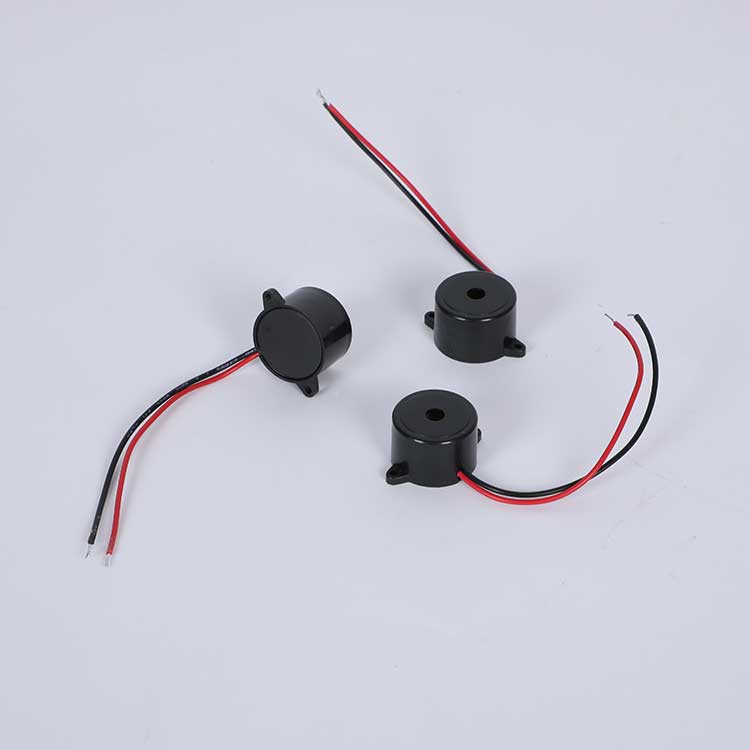
While piezo buzzers use the reverse piezoelectric effect to deform a ceramic disk, magnetic buzzers rely on an electromagnetic coil to move a ferromagnetic diaphragm. Here is how they compare:
Feature | Piezo Buzzer | Magnetic Buzzer |
|---|---|---|
Power Consumption | Low | Higher |
Operating Voltage | Broad range (3V - 24V+) | Lower range (1.5V - 12V) |
Sound Characteristics | Sharp, high-pitched, wide frequency | Basic tone, lower frequency |
Typical Applications | Alarms, sensors, automotive | Toys, indicators, watches |
Piezoelectric Buzzer Comparison Table
Key Features Summary
Selecting the right piezoelectric buzzer involves comparing several technical specifications. The table below highlights the main differences among common piezo buzzer types:
Buzzer Type | Operating Voltage | Resonant Frequency | SPL (dB) | Mounting Style | Typical Use Cases |
|---|---|---|---|---|---|
Active Piezo | 3V – 24V | 2 – 6 kHz | 85 – 110 | Through-hole, SMD | Alarms, indicators |
Passive Piezo | 3V – 24V | 2 – 6 kHz | 85 – 110 | Through-hole, SMD | Toys, musical alerts |
Surface-Mount | 3V – 12V | 2 – 5 kHz | 80 – 100 | SMD | IoT, portable devices |
Panel-Mount | 5V – 24V | 2 – 6 kHz | 90 – 120 | Panel, screw | Industrial panels, alarms |
Waterproof | 5V – 24V | 2 – 6 kHz | 90 – 110 | Panel, wire leads | Outdoor, marine, equipment |
Tip: Always check the operating voltage and SPL to match your device’s requirements.
Choosing the Right Piezo Buzzer Manufacturer
Application & Environment Needs
Selecting a manufacturer starts with understanding your application. Engineers must consider sound pressure levels, environmental durability, and power consumption. Many buzzers are engineered to deliver consistent sound across a wide temperature range, from -20°C to +80°C. This capability is crucial for wearables and outdoor devices.
Performance and Certifications
Key metrics include displacement, force, and frequency response. Balancing these features with budget is essential. A reliable manufacturer with proven quality control offers both reliability and value. Look for ISO, RoHS, and CE certifications, automated acoustic testing, and strong technical support.
Manufacturer | Monthly Production Capacity | Export Percentage | Major Markets |
|---|---|---|---|
Jiangsu Huawha Electronics Co., Ltd. | 7 to 9 million pieces | Over 70% | US, Southeast Asia, Europe, etc. (100+ Countries) |
Piezoelectric Buzzer Selection Guide
Step-by-Step Process & Technical Requirements
Selecting the right piezoelectric buzzer involves several clear steps: define the application, determine the required SPL, check the power supply, consider the mounting method, and review environmental needs (IP rating).
Engineers must evaluate several technical parameters before finalizing a buzzer. For standard industrial controls and automotive applications, a reliable 12VDC 90dB Mini Piezo Buzzer provides excellent performance and clarity. Conversely, for heavy machinery or environments requiring higher voltage thresholds, our 24V piezo buzzer options ensure loud, unmistakable alerts.
Parameter | Considerations | Typical Values |
|---|---|---|
Operating Voltage | Match system voltage; higher voltage boosts SPL | 3V, 5V, 12V, 24V |
Sound Pressure Level | Needed for ambient noise and listener distance | 70-110dB @ 10cm |
Frequency Range | Resonant frequency for efficiency and clarity | 2-4kHz typical |
Current Consumption | Important for battery life and power budget | 1-30mA |
Industry Standards
Piezoelectric buzzers must comply with industry standards to ensure safety and reliability. Look for products with CE and RoHS certifications. ISO 9001 certification indicates strong quality management during manufacturing.
Piezo buzzers offer a wide voltage range, low current use, and excellent temperature stability, making them suitable for many devices.
Characteristic | Piezoelectric Buzzers |
|---|---|
Operating Voltage Range | Wide—typically 3 V to 250 V DC |
Current Consumption | Very low (0.5–5 mA typical) |
Lifetime | >10,000 hours (no moving coils or contacts) |
Best Applications | Appliances, smoke detectors, medical monitors |
FAQ
What is the main difference between active and passive piezo buzzers?
Active buzzers have a built-in oscillator and sound with DC voltage. Passive buzzers need an external signal to produce sound.
How do I select the right piezo buzzer for my device?
Check your device’s voltage, required sound level, and available space. Match these with the buzzer’s specifications.
Are piezo buzzers suitable for outdoor use?
Yes, waterproof piezo buzzers work well outdoors. Look for models with high IP ratings, such as IP67 or IP68. These resist water, dust, and temperature changes.
Why choose Jiangsu HUAWHA Electronics Co., Ltd. as a piezo buzzer manufacturer?
Jiangsu HUAWHA offers high-quality, reliable buzzers backed by 15+ years of industry experience. The company holds strict quality certifications and exports to over 100 global markets, serving 600+ cooperative customers.