

 doris@jshnbuzzer.com
What are the three types of buzzers?
 Jun 05, 2025|
 View:1078
In the world of electronics, audible feedback is crucial. From a microwave signaling your meal is ready to a wearable device notifying you of a message, buzzers provide that essential sound. Among the diverse types, three stand out for their unique mechanisms and applications: Electromagnetic Buzzers, Small Piezo Buzzers, and SMD Magnetic Buzzers. Let's delve into how each works and where they shine.
1. Electromagnetic Buzzer: The Powerhouse Workhorse

How an Electromagnetic Buzzer Works: This classic design relies on electromagnetism. A coil of wire surrounds a ferromagnetic core. When current flows through the coil, it generates a magnetic field. This field attracts a flexible ferromagnetic diaphragm (or armature) mounted close by. The diaphragm is attached to a contact point. As current flows, the diaphragm is pulled towards the coil, breaking the circuit. When the circuit breaks, the magnetic field collapses, releasing the diaphragm. A spring or the diaphragm's inherent elasticity snaps it back, reconnecting the circuit. This rapid cycle of attraction and release (typically 100s to 1000s of times per second) causes the diaphragm to vibrate and produce sound.
Key Characteristics of Electromagnetic Buzzers:
Lower Operating Voltage: Often works well in the 1.5V to 12V range, making them battery-friendly.
Moderate to High Sound Pressure Level (SPL): Can produce relatively loud sounds.
Low Cost: Generally inexpensive to manufacture.
Simple Drive Circuit: Often requires only a DC voltage source and a simple transistor switch.
Lower Pitch Sound: Typically produces a lower, more resonant tone compared to piezos.
Higher Current Draw: Requires more current to energize the coil than piezos.
Size: Often physically larger than comparable SMD types or small piezos.
Typical Applications: Home appliances (ovens, washing machines), medical devices, cars, electric bicycles, toys, and basic alarms where moderate volume and low cost are priorities.
2. Small Piezo Buzzer: The Thin & Efficient Specialist

How a Piezo Buzzer Works: Utilizes the piezoelectric effect. A ceramic disc (piezo element) is bonded to a thin metal diaphragm (often brass). When a voltage is applied across the piezo element, it physically deforms (expands or contracts). This deformation bends the attached metal diaphragm rapidly. Reversing the voltage causes the element to deform in the opposite direction, bending the diaphragm back. An alternating voltage (AC) or a pulsed DC signal causes the diaphragm to vibrate continuously at the frequency of the applied signal, generating sound waves.
Key Characteristics of Small Piezo Buzzers:
High Efficiency / Low Current Draw: Requires very little current to operate, ideal for battery-powered devices.
Thin Profile & Small Size: Can be extremely thin (width as low as 4mm to 9mm), perfect for space-constrained designs.
Higher Pitch Sound: Naturally produces a sharper, crisper, often higher-pitched tone.
Wide Operating Voltage: Supports standard operating voltages from 3V to 24V DC (e.g., 3V/5V for IoT wearables, 12V/24V for automotive/industrial controls).
Frequency Specific: Sound output is highly dependent on the resonant frequency of the piezo element/diaphragm.
Typical Applications: Wearables (smartwatches), compact medical devices (blood glucose meters, thermometers), portable terminals, smoke detectors, and computer peripherals – anywhere minimal thickness and low power are critical.
3. SMD Magnetic Buzzer: The Automated Assembly Champion

How an SMD Magnetic Buzzer Works: This type is fundamentally an Electromagnetic Buzzer optimized for surface-mount technology (SMT). It uses the same core principle: a coil generates a magnetic field that vibrates a diaphragm. However, the entire assembly is designed as a single, robust SMD component with solderable pads on its base, capable of withstanding reflow soldering temperatures.
Key Characteristics of SMD Magnetic Buzzers:
Surface Mount Design (SMD): Allows for automated pick-and-place assembly onto PCBs, significantly reducing manufacturing costs for high-volume production.
Robust Construction: Typically encapsulated in a plastic housing, protecting internal components from dust and physical damage.
Good SPL & Low Voltage: Achieves comparable sound pressure levels to through-hole types while operating well on low DC voltages (3V, 5V, 9V, 12V).
Stable Performance: Built with high-quality materials, it delivers consistent sound output even in varying environmental conditions, such as high-temperature or humid settings.
Typical Applications: Telecommunications equipment, UPS systems, alarm devices, instrumentation, automotive electronics, and high-volume consumer electronics.
Choosing the Right Buzzer & Sourcing Tips:
The choice between these three types hinges on your design priorities:
Need the thinnest, most power-efficient solution? A Small Piezo Buzzer is likely best.
Prioritizing lowest component cost and simple DC drive? A standard Electromagnetic Buzzer might suffice if size and automated assembly aren't primary concerns.
Building high-volume devices using automated assembly? The SMD Magnetic Buzzer offers the perfect blend of performance and manufacturability.
Why Source from HUAWHA Electronics?
Understanding the distinct advantages of each buzzer is only half the battle; choosing a reliable manufacturer is equally important. As a professional manufacturer with over 15 years of export experience, HUAWHA Electronics produces 7 to 9 million pieces monthly. All our Electromagnetic, Piezo, and SMD buzzers undergo rigorous testing and comply with international standards, including CE, RoHS, ISO 9001, and ISO 14001. Whether you need standard models or flexible OEM/ODM customization, our strict quality control and dedicated R&D team ensure stable performance across temperature extremes and voltage fluctuations.


Recommended Products

MLT-4020 Electromagnetic Buzzer
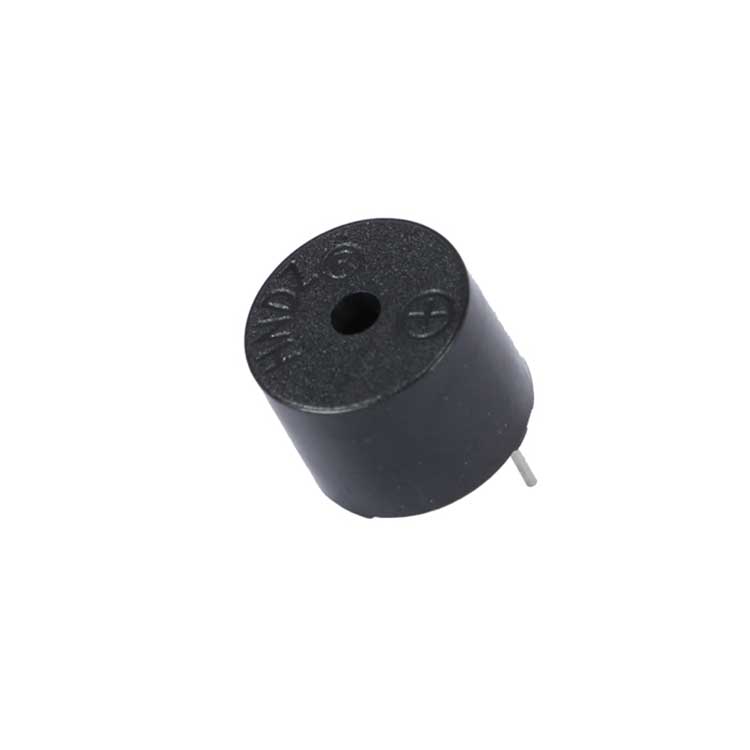
24VDC 88dB Mini Electromagnetic Buzzer
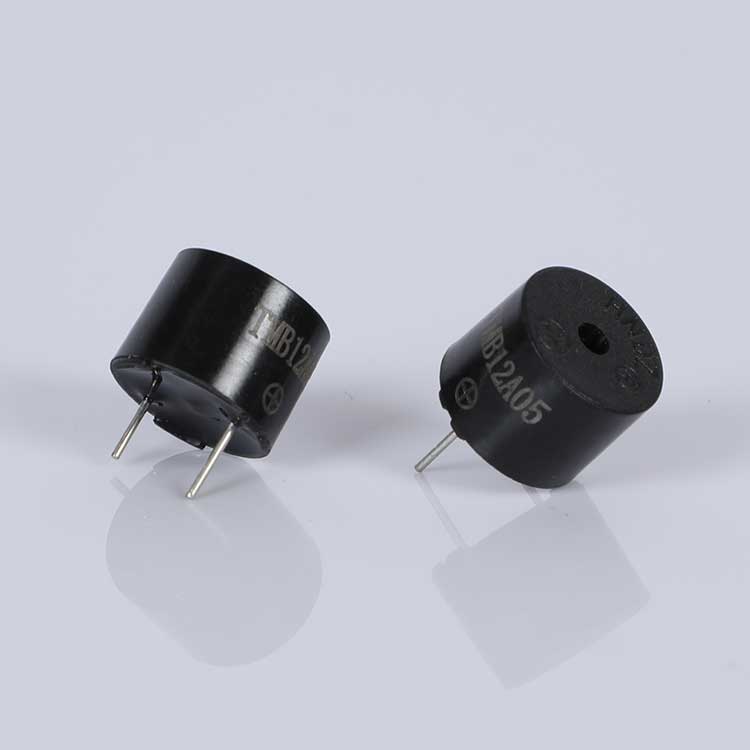
5VDC 85dB Mini Electromagnetic Buzzer

3VDC 85dB Mini Electromagnetic Buzzer

12VDC 88dB Mini Electromagnetic Buzzer

Mini 3.0Vo-p 80dB Electromagnetic Buzzer

HND-4023D piezo buzzer 5v

HNR-1707 Piezo Buzzer
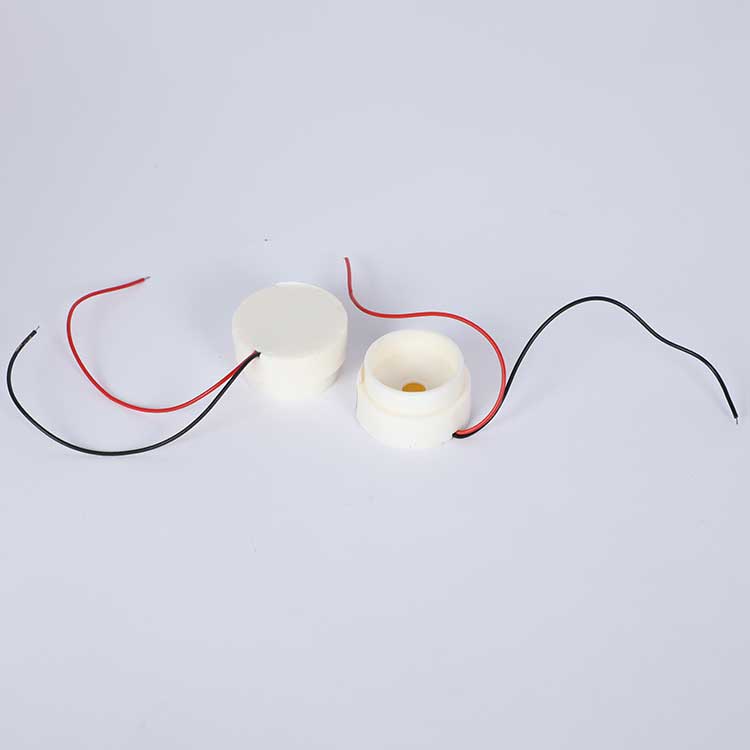
HNR-3017 5v piezo buzzer

HND-3026 piezo buzzer 24vdc


Recent News
1.What material is the pin buzzer made of?
2023-04-042.How does an electromagnetic buzzer work?
2023-04-183.What's the Difference Between Piezo Buzzers and Electromagnetic Buzzers?
2023-03-234.What's the difference between active buzzers and passive buzzers
2023-03-225.What is the use of smd magnetic buzzer?
2023-04-206.Small Piezo Buzzer: How to Use and Connect It Correctly
2023-07-137.How to Choose a High-Quality Piezo Buzzer China?
2023-06-15