
 doris@jshnbuzzer.com
 Nov 14, 2025
 View:1582
| Feature | Piezo Buzzer | Normal Buzzer (Magnetic Buzzer) |
|---|---|---|
| Working Principle | Piezoelectric effect | Electromagnetic induction |
| Sound Type | High-pitch, sharp, loud | Soft, low-pitch, warm |
| Power Consumption | Very low | Moderate |
| Durability | High (no moving parts) | Moderate (moving diaphragm) |
| Voltage Range | Wide (3V–24V) | Limited (1.5V–12V) |
| Cost | Low | Low to medium |
| Best Uses | Alarms, appliances, indicators | Toys, buzzers, low-frequency devices |
| Flexibility | Passive type allows custom tones | Limited tone control |
| Lifespan | Long | Shorter (mechanical wear) |
| Application | Recommended Buzzer | Why |
|---|---|---|
| Smoke detectors | Piezo buzzer | Loud and high frequency |
| Microwave & oven timers | Piezo buzzer | Clear alert tone |
| Toys | Normal buzzer | Softer and warmer sound |
| Arduino melodies | Piezo (passive) | Custom frequency control |
| High-noise environments | Piezo buzzer | Piercing and noticeable |
| Cheap consumer gadgets | Normal buzzer | Low cost and simple design |
| Battery-powered devices | Piezo buzzer | Ultra-low energy usage |
Have you ever wondered why some alarms scream loudly with a sharp beep while others create a softer, warmer sound? That difference often comes down to the type of buzzer inside the device.
And two of the most common types are the piezo buzzer and the normal (magnetic) buzzer.
Although both produce sound, the way they work—and the type of sound they create—are completely different.
In this article, we’ll break down everything you need to know about:
How each buzzer works
What makes them different
Which one is better for your application
When to choose piezo vs magnetic
Advantages & disadvantages
Real-world examples
So grab your coffee, sit back, and let’s clear up the confusion once and for all.
Understanding the Basics of Buzzers
Before comparing the two, let’s get the basics straight.
What Exactly Is a Buzzer?
A buzzer is an electronic component that converts electrical energy into sound. You hear these sounds every single day:
When your microwave says food is ready
When your washing machine sings its finishing tune
When your car beeps because the door isn’t closed
When your smoke alarm goes off (hopefully not often!)
Buzzers may be tiny, but they play a massive role in modern electronics.
The Two Main Types of Buzzers
Almost all buzzers fall into one of these categories:
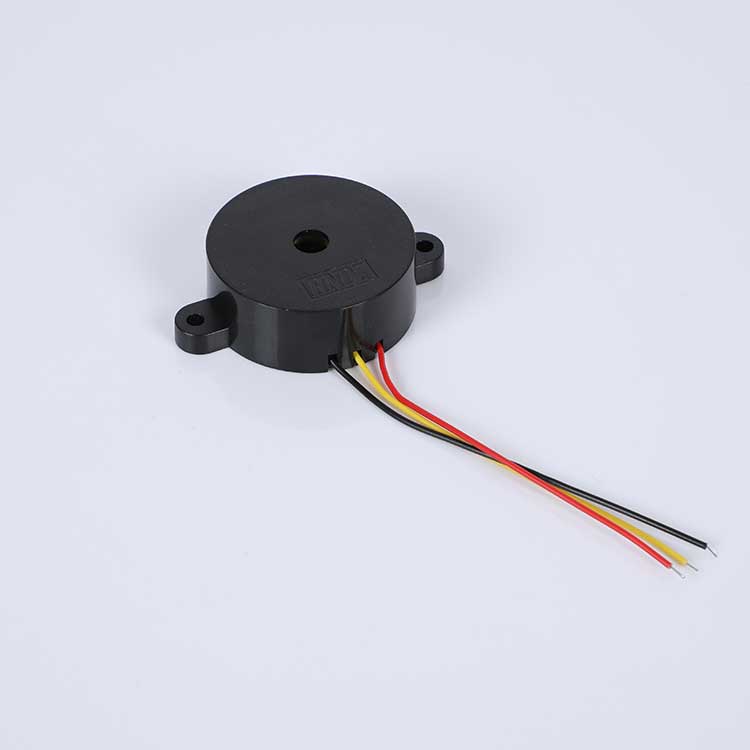
Piezo buzzers
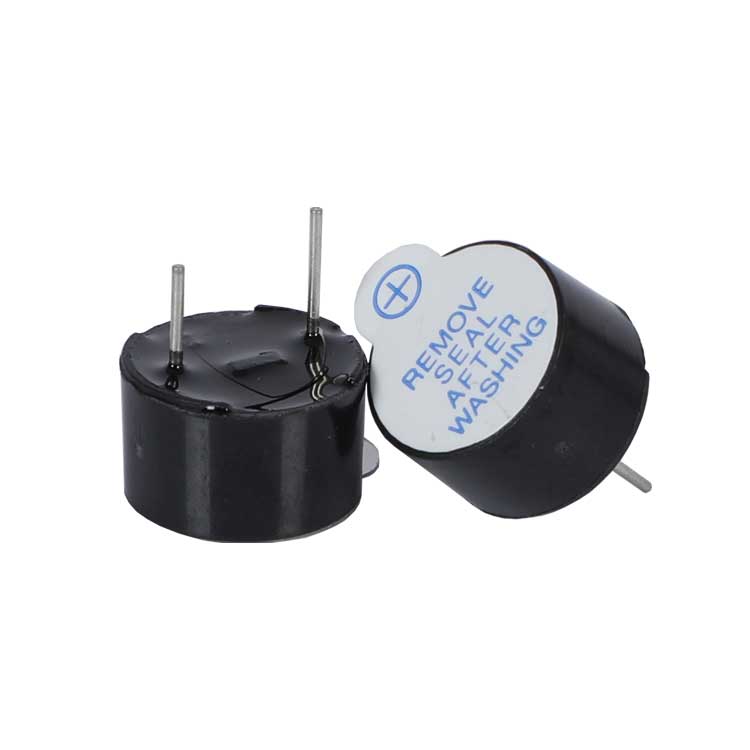
Normal buzzers (magnetic buzzers)
They might look similar on the outside, but internally, they are worlds apart.
What Is a Piezo Buzzer?
The piezo buzzer has become the standard choice for modern electronics—and for good reason.
The Science Behind Piezo Buzzers
The heart of a piezo buzzer is a piezoelectric ceramic disc. This special material changes shape when electricity is applied. It expands and contracts super quickly, causing vibrations in the air—and those vibrations become sound.
This scientific phenomenon is called the piezoelectric effect.
How a Piezo Buzzer Works (Simple Explanation)
Here’s the process in a nutshell:
Voltage is applied to the piezo disc.
The disc flexes (bends) rapidly.
The movement pushes the air.
The air produces sound waves.
No coils, no magnets, no complicated mechanics. Just simple, efficient vibrations.
Types of Piezo Buzzers
Active Piezo Buzzer
Has a built-in oscillator
Only needs DC voltage
Automatically produces a beep or tone
Just plug it in and it works—super easy.
Passive Piezo Buzzer
Needs an AC signal or PWM
Can generate custom tones, melodies, alerts
Best for Arduino, ESP32, and microcontroller projects
This is the one musicians and hobbyists love because you can “program” your sound.
What Is a Normal Buzzer?
A normal buzzer, also known as a magnetic buzzer, works using electromagnetic induction.
How a Magnetic Buzzer Works
Inside a magnetic buzzer, you’ll find:
An electromagnetic coil
A metal diaphragm
A small permanent magnet
When current flows through the coil, magnetic fields push and pull the diaphragm. That vibration produces sound.
Unlike the piezo buzzer, this method requires mechanical movement—which slightly reduces lifespan compared to piezoelectric buzzers.
Types of Magnetic Buzzers
Active Magnetic Buzzer
Works when you apply DC voltage. It has an internal driver circuit.
Passive Magnetic Buzzer
Needs a frequency signal to operate. Lower frequencies make it ideal for toys and simple devices.
Key Differences Between Piezo Buzzer and Normal Buzzer
Now let’s get to the heart of the article—the direct comparison.
1. Working Principle
Piezo Buzzer
Uses electricity to bend a piezo disc
No moving mechanical parts
More reliable
Normal Buzzer
Uses magnet + coil to move diaphragm
Has moving parts
More prone to wear
2. Sound Quality
Piezo Buzzers
Very sharp
High-frequency
Piercing and attention-grabbing
Normal Buzzers
Softer
Lower-pitch
More pleasant tone
If you want a sound that cuts through noise, choose a piezo buzzer.
3. Loudness
Piezo buzzers are typically louder. That’s why they’re used in:
Smoke alarms
Timers
Security systems
Magnetic buzzers are quieter and better suited for gentle tones.
4. Power Consumption
Piezo buzzers consume extremely low power. Normal buzzers consume more because the electromagnet draws current.
For battery-powered devices, the piezo buzzer is the clear winner.
5. Frequency Range
Piezo buzzers: Operate best at 2–4 kHz
Normal buzzers: Work well at 400–2,000 Hz
This makes piezo buzzers ideal for alarms, while magnetic buzzers excel at deeper sounds.
6. Durability and Lifespan
Piezo Buzzers
No moving parts
Long lifespan
High reliability
Normal Buzzers
Moving diaphragm
More mechanical wear
Shorter lifespan
7. Size and Shape
Piezo buzzers are:
Thinner
Lighter
Smaller
Magnetic buzzers tend to be bulkier because of internal coils.
Applications: Where You Should Use Each Buzzer
Where Piezo Buzzers Work Best
You’ll find piezo buzzers in:
Smoke detectors
Door alarms
Kitchen appliances
Industrial warning systems
Timers
Medical equipment
Keypads
Backup alarms
If you hear a loud, high-pitch beep? It’s almost surely a piezo buzzer.
Where Normal Buzzers Work Best
These are common in:
Toys
Buzzers in quiz games
Alarm clocks
Hobby circuits
Budget devices
Gadgets with lower sound requirements
Their lower-frequency sound is gentle and pleasant.
Advantages of Using a Piezo Buzzer
Let’s highlight why the piezo buzzer is so popular today.
1. Extremely Low Power Consumption
Perfect for battery-powered gadgets.
2. Loud and Crisp Sound
Ideal for alarms and alerts. You want people to hear it.
3. Long Operational Life
No moving parts means less failure.
4. Compact and Thin Design
Fits perfectly in modern slim electronics.
5. Wide Operating Voltage
From 3V all the way to 24V. Super flexible for designers.
Advantages of Using a Normal Buzzer
1. Warm, Ear-Friendly Sound
Better for non-alarming applications.
2. Cost-Effective for Simple Devices
Perfect for toys, small gadgets, and cheap electronics.
3. Easy to Work With
Especially for beginners or low-frequency sound needs.
Can You Replace Piezo Buzzer with Normal Buzzer?
Sometimes yes, sometimes no.
You CAN Replace a Normal Buzzer with a Piezo Buzzer When:
You want a louder alert
Battery life matters
Device size needs shrinking
You need a more durable design
You SHOULD NOT Replace a Piezo Buzzer with a Magnetic Buzzer When:
The circuit requires high-frequency alerts
You need a crisp alarm tone
You’re building safety-related devices
You want long-term reliability
Common Mistakes When Choosing Buzzers
Mistake 1: Not Checking Active vs Passive Type
Many beginners buy the wrong model and wonder why it doesn’t work.
Mistake 2: Ignoring Voltage Ratings
Power mismatches can burn the buzzer or make it silent.
Mistake 3: Choosing Based on Price Alone
A few cents difference can impact performance dramatically.
Which One Is Better—Piezo Buzzer or Normal Buzzer?
Both buzzers serve different purposes. But here's the honest verdict:
Choose a Piezo Buzzer If You Need:
Loud sound
High-frequency beeps
Long lifespan
Low power consumption
Reliable and durable performance
Choose a Normal Buzzer If You Need:
Softer tones
Lower cost
Warm, round sound
Simple operation for toys or basic gadgets
Final Conclusion
Now you finally understand the difference between a piezo buzzer and a normal buzzer. Even though they look similar, they are designed for completely different purposes.
A piezo buzzer excels in alarms, safety systems, and appliances where sound must be loud, crisp, and attention-grabbing. A normal buzzer shines in toys, simple gadgets, and applications requiring warm, low-frequency tones.
The next time you choose a buzzer, you’ll know exactly which one fits your project—and why.